
The drain is slow again. There is a faint sewage smell near the cleanout, and the same toilet has gurgled twice this week. If this keeps happening as the summer wears on and the rain stays away, the cause is often not grease or a dropped object. It is tree roots, and they tend to push into your sewer line right when the ground is at its driest.
Here is why roots target the sewer, why late summer is their peak, how to tell roots apart from an ordinary clog, and what actually clears them.

Why roots grow toward the sewer
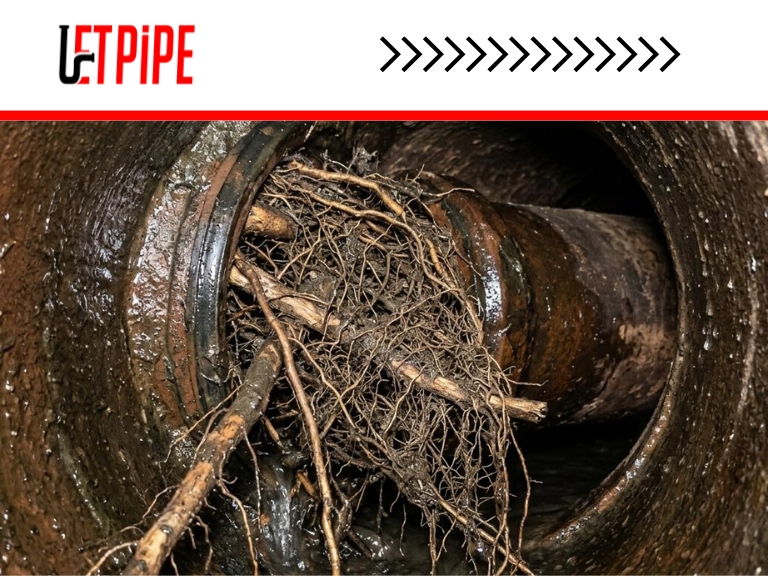
As far as a tree is concerned, a sewer line is the most inviting thing in your yard. It carries a steady flow of water and nutrients, and the soil around it stays warm and damp. Roots do not break through solid, sealed pipe for no reason. They follow moisture. When a line has an opening, a hairline crack, a loose joint, or a worn seal, roots find the seam and work their way in toward the water inside.
Older Bay Area homes are especially exposed. A lot of the local sewer stock is aging clay, laid in short sections with a joint every few feet. Every one of those joints is a possible entry point. Once a few fine roots get in, they thicken, spread into a mat, and catch everything that flows past until the line barely drains.
Why late summer is the worst time
The Bay Area goes months with little to no rain through the back half of the year. As the surface soil dries out, trees go looking for water anywhere they can find it, and the wettest thing underground is your sewer line. The drier it gets above, the harder roots push toward the flow below.
That is why so many root backups show up in late summer and early fall. The tree is under the most water stress it will feel all year, and your lateral is the reliable source it has learned to reach. Mature street trees, the kind that line so many South Bay neighborhoods, have root systems wide and deep enough to reach a line running clear across the yard.
Roots or grease? How to tell
Roots and grease both slow a drain, but they behave differently.
- Grease usually builds in the kitchen line and gets worse gradually. Roots tend to hit the main line and can back up more than one fixture at once.
- A greasy clog often clears, at least briefly, with hot water or a plunger. A root mass does not respond to either.
- Roots frequently come with a smell, gurgling, and clogs that return on a schedule: cleared, fine for a while, and then back.
- The telltale sign is repetition in the same place. If one length of the main keeps clogging no matter what you do, roots are the leading suspect.
You do not have to guess. The only way to confirm what is in the line, and where, is to put a camera in it.
The camera comes first
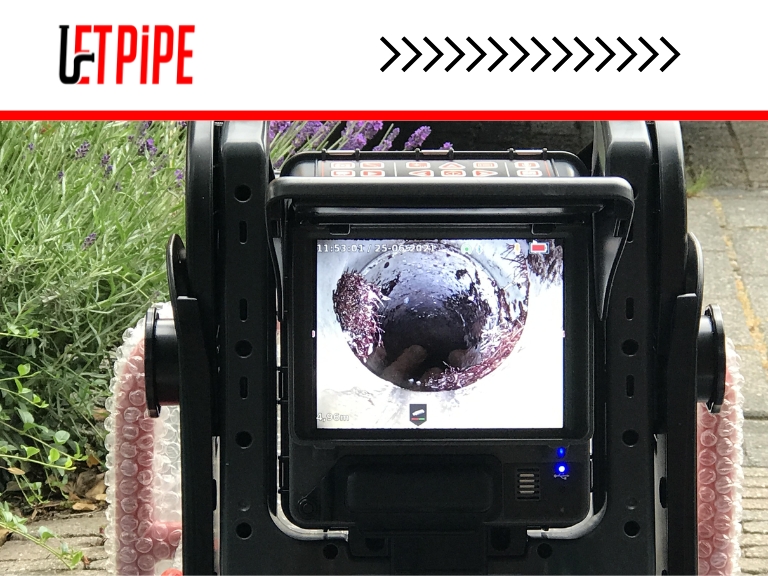
A sewer camera inspection shows exactly what is happening inside the pipe. It finds where the roots are entering, how far the intrusion runs, and, just as important, what condition the pipe is in around them. Roots almost always mean there is already a crack or an open joint letting them in, so the camera answers the real question: can this line be cleaned and kept, or has the pipe been damaged enough that it needs repair?
That answer decides everything that follows. Clearing roots without knowing the pipe condition just sets up the next backup.
How the line gets cleared
Once the camera shows what you are dealing with, there are a few paths.
For an active root clog, a rooter service runs a cutting head through the line to shred the root mass and reopen flow. It is the fast way to get a backed-up line draining again.
Cutting the roots is only half the job, though. The fine roots and the film left on the pipe wall grow back. Hydro jetting for main drain lines follows with high-pressure water that scours the walls clean and flushes the debris out, which slows regrowth far more than cutting alone. We perform hydro jetting in house with our own equipment.
When the camera shows the pipe itself is cracked, broken, or full of joints the roots keep reopening, cleaning becomes a losing battle. At that point sewer line repair or replacement fixes the actual opening the roots are using, so they have no way back in. For badly deteriorated clay, that repair can often be done trenchless, without opening the whole yard.
Slow drains or gurgling toilets creeping in this season?
We’ll find the roots and clear your line before it backs up.
Do not wait it out
Roots do not resolve on their own, and a line that backs up once in the dry season will almost always back up again. Clearing it early, before a full blockage or a sewage backup into the home, is far cheaper and far less disruptive than waiting for the line to give out entirely.
| Eyebrow | Slow drains and smells getting worse this season? |
| H2 | Find the roots before they block the line. |
| Button text | Book a Camera Inspection |
FAQ SECTION
How do I know if tree roots are in my sewer line?
The clearest signs are repeat clogs in the same spot, more than one fixture draining slowly, gurgling, and a sewage smell, especially through the dry months. A camera inspection confirms whether roots are the cause and where they are entering.
Why do sewer root problems get worse in late summer?
The Bay Area sees little rain through the back half of the year. As the soil dries out, trees push their roots toward the steady moisture inside your sewer line, so intrusion and backups peak in late summer and early fall.
Can tree roots be removed without digging?
Often, yes. A rooter cuts the root mass, and hydro-jetting flushes the line clean, both without excavation. If the camera shows the pipe is cracked or broken where roots enter, the damaged section may need repair, which can frequently be done trenchless.
Will the roots just come back?
If the opening they used is still there, yes. Cutting reopens flow, and jetting slows regrowth, but lasting results come from fixing the crack or joint the roots enter through. That is why the camera inspection matters before choosing a fix.
Think tree roots are invading your sewer line?