
Burst Pipe and Leak Repair in Sunnyvale, CA
Pinhole leaks, burst lines and corroded joints found and repaired by our own licensed plumbers, with small access openings and clean work.


Pipe Repairs for Every Part of the House
From a pinhole in a copper line to a corroded galvanized run behind drywall, we repair residential piping to California code.
Pinhole leaks, cracked fittings and failed joints repaired on any common supply pipe material.
Leaking supply lines and shut-off valves at sinks, toilets and showers.
Hidden leaks traced and repaired through small, clean access openings.
Leaks on the line between the meter and the house. Water line repair.
We repair with Type L copper first, and use PEX and professional-grade fittings where they suit the job.

Repair the Section or Replace the System?
A spot repair replaces only the failed section. It is the right call when the rest of the plumbing is sound and the leak is a single failure, and it usually needs one or two small openings.
When leaks keep appearing at different joints, the pipe is usually wearing out along its whole length. Galvanized pipe in particular corrodes from the inside, so a repair on one spot buys time rather than solving the problem.
In that case a whole house repipe replaces every hot and cold supply line, and over time it often costs less than repairing the same system again and again. We tell you which situation you are in before quoting.
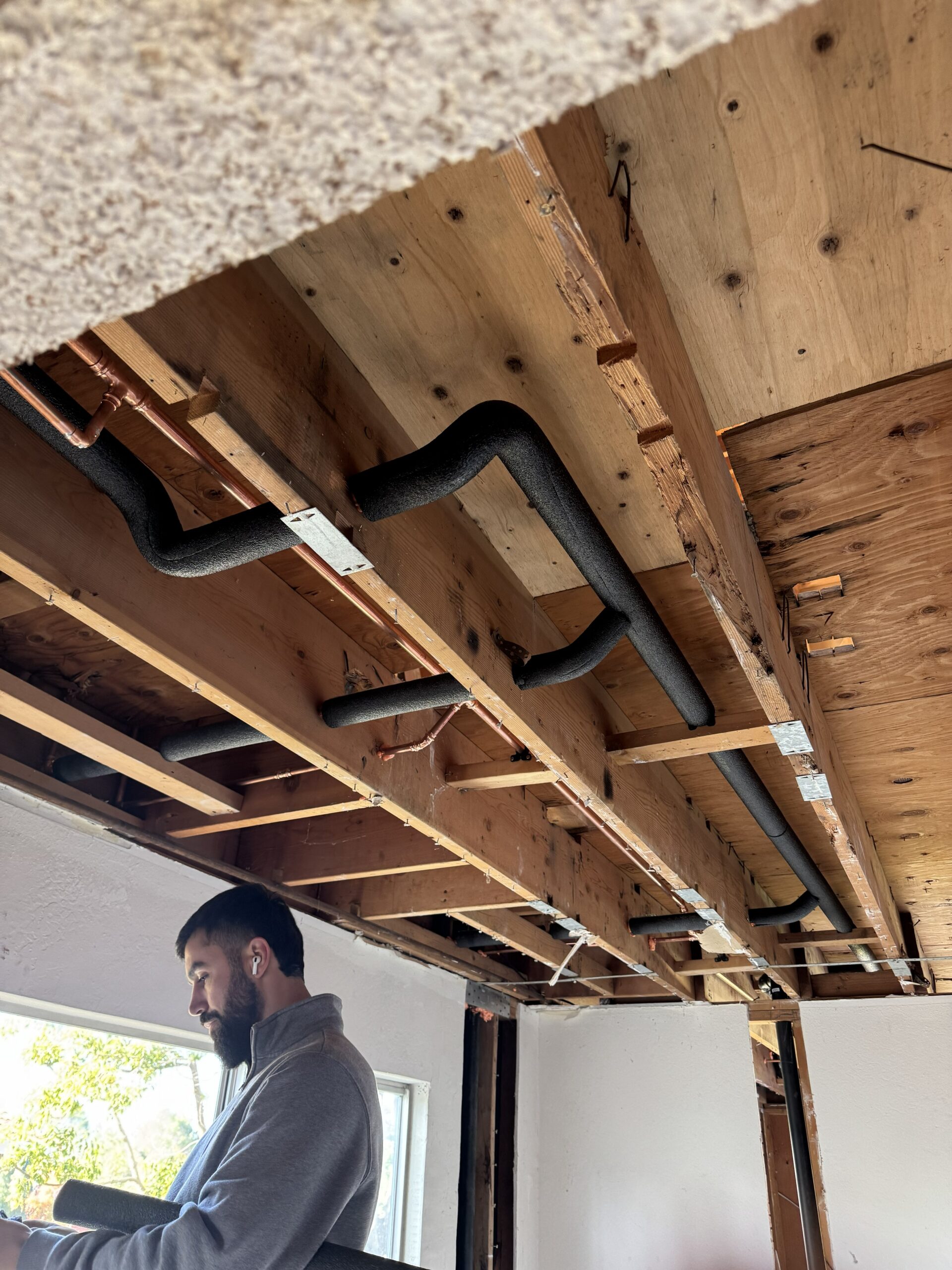
We Find the Leak Before We Open the Wall
We start with what the house is already showing: which fixtures lost pressure, where the stain sits, and what the water meter does with every fixture shut off.
From there we pressure test and trace the run until the location narrows to one section. The opening comes last and stays as small as the repair allows.
Access openings are cut clean and squared so they are ready for patching, and we protect floors and furniture while we work.
A Small Leak Today Is Water Damage Tomorrow
Most pipe leaks show up as small signs long before a pipe bursts.
Water marks, bubbling paint or soft drywall near a supply line.
Higher usage with no change in habits, or a meter that moves with everything off.
One or more fixtures losing pressure, or rust-tinted water from the tap.
Green or white crust on fittings, or moisture under sinks and cabinets.
Do Your Pipes Need Replacing?
Four quick questions and a simple magnet test. See what your pipes are likely made of and whether a repipe makes sense.
- About 1 minute
- No email needed
- Instant result
- 1
- 2
- 3
- 4
When was your home built?
A best guess is fine.
Which city is your home in?
Permit requirements depend on the city.
Try the magnet test
Grab any fridge magnet. It takes 30 seconds.
- Find an exposed water pipe: under the kitchen sink, next to the water heater, or where the main line enters the house.
- Wipe off any paint or grime.
- Hold the magnet to the pipe itself. Skip the shutoff valve: valves are usually brass and won't hold a magnet either way.
Have you noticed any of these?
Select all that apply.
From Leak to Lasting Repair
You know the scope and the price before any wall is opened.
A visual inspection, pressure check and review of the affected line.
We trace the problem through fixture testing and the water meter, then narrow it to one section.
Spot repair, partial reroute or replacement, each explained with the price in writing.
Small access cuts, a protected work area and a code-compliant repair.
We re-pressurize the line and confirm the repair holds before we leave.
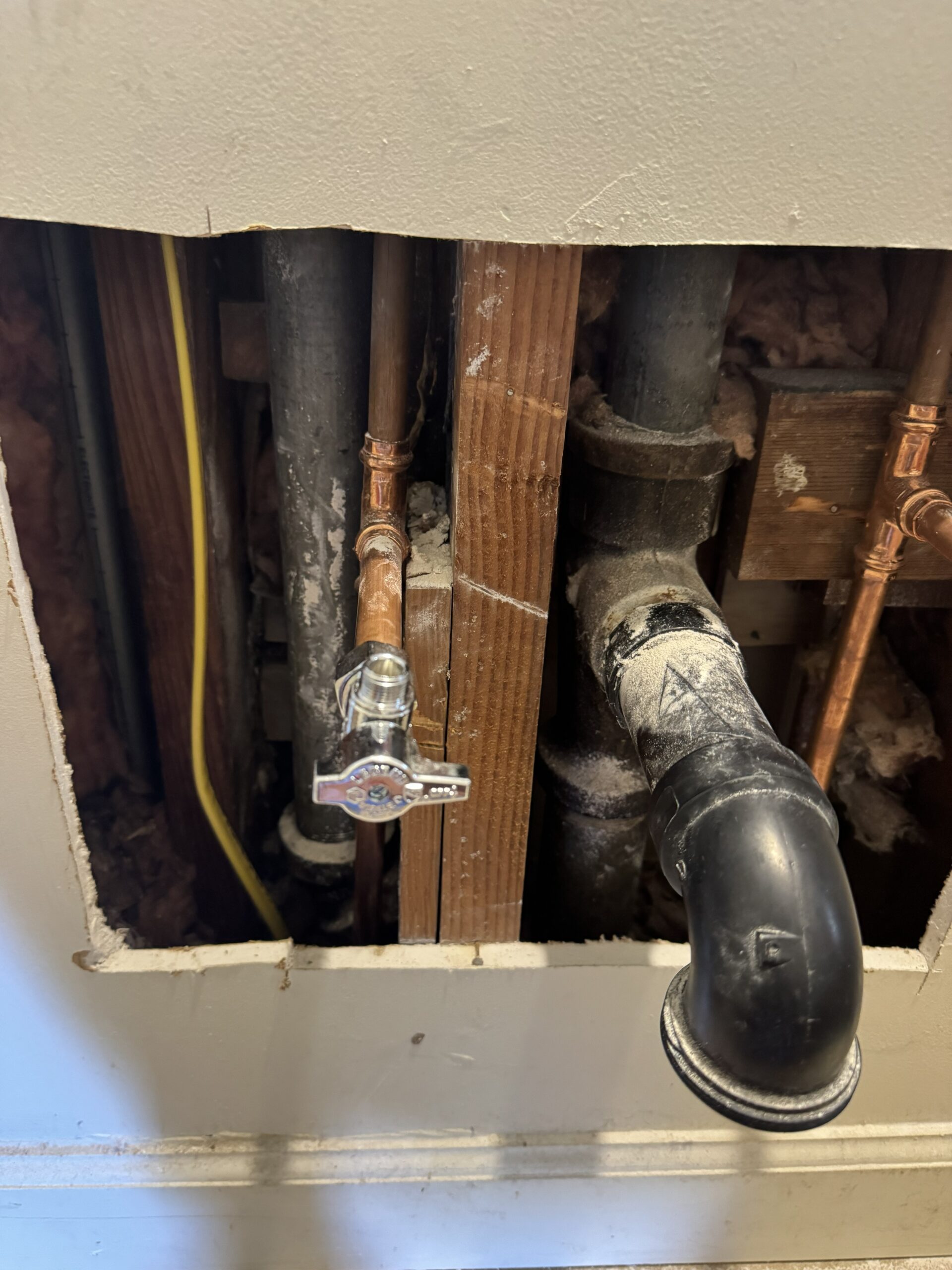
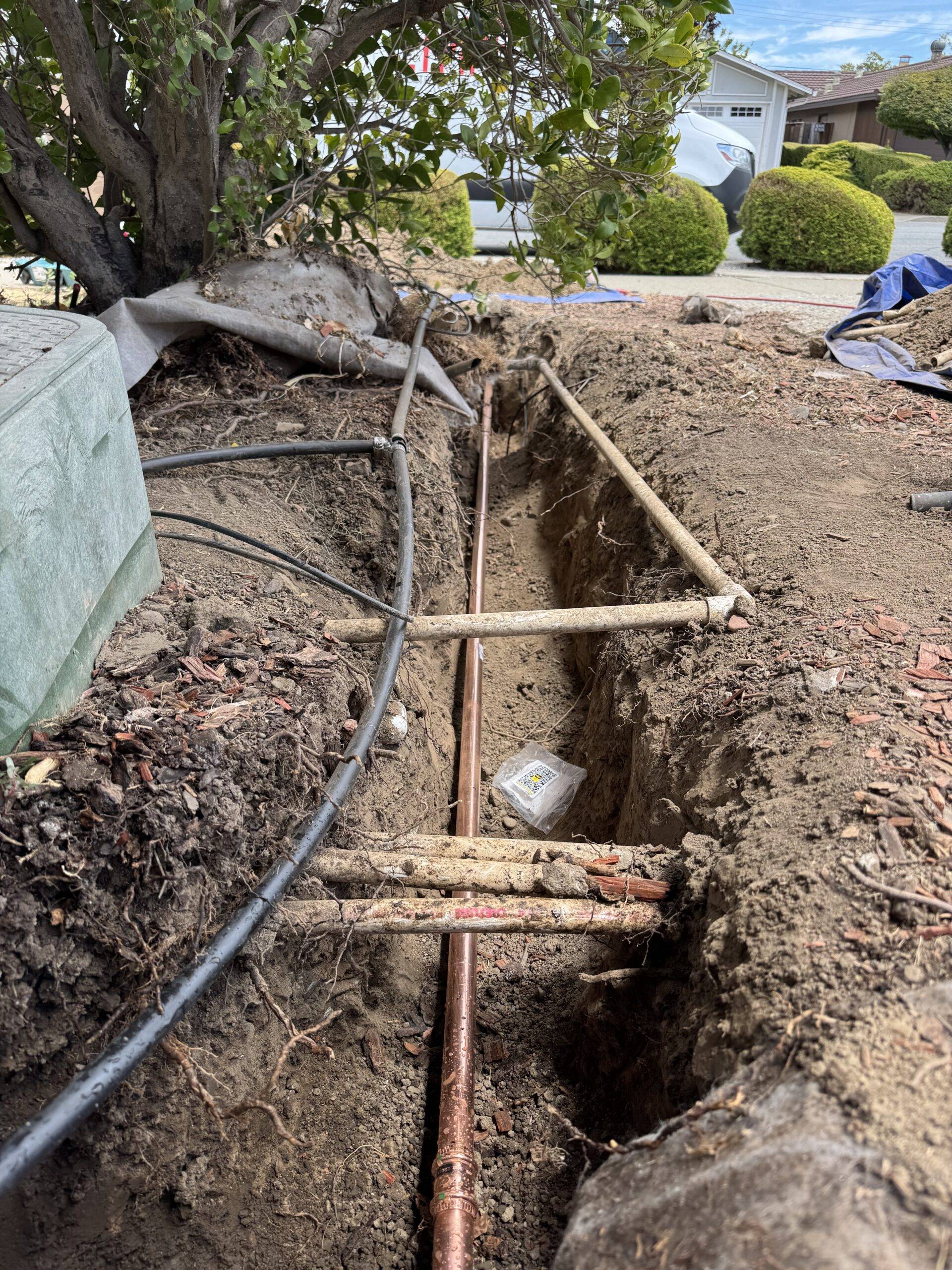
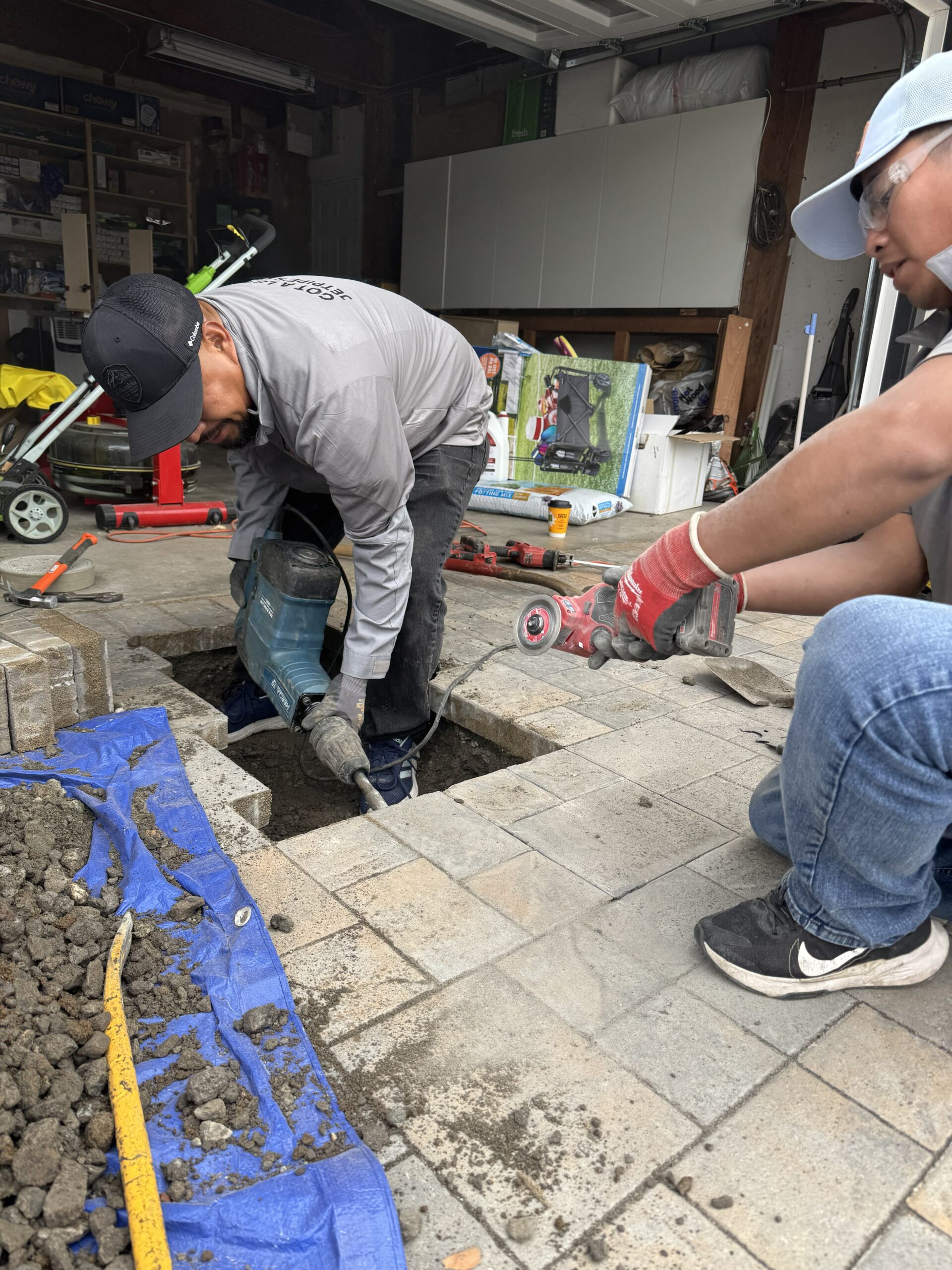
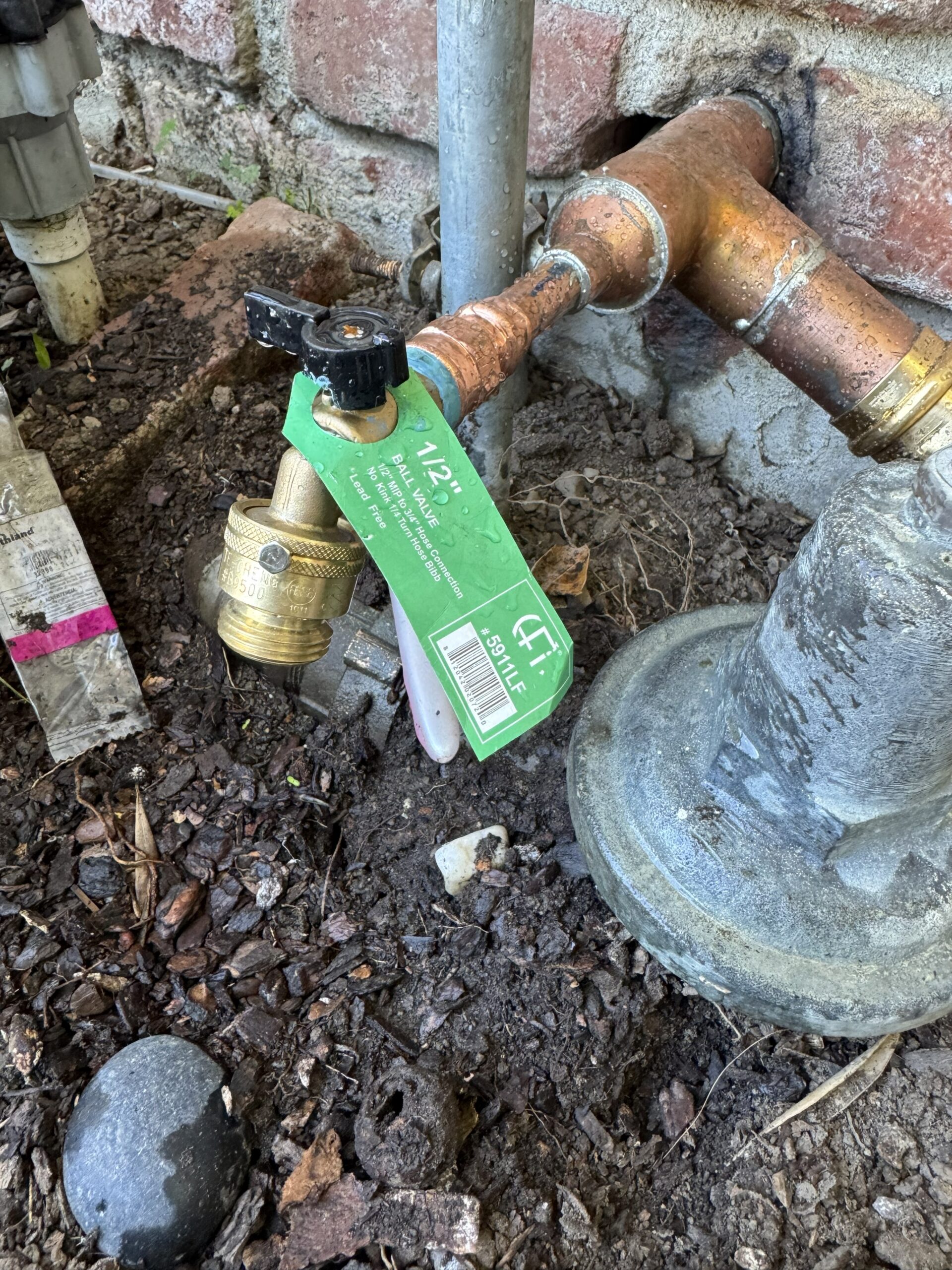
Recent Leak and Pipe Repairs
Pipe repairs we have completed across the South Bay.
Free Estimate
Found a Leak or a Wet Spot?
Tell us what you are seeing and we will give you a free estimate for the repair.
Instant Quote
Get an Instant Pipe Repair Quote
Answer a few questions about the leak and get a personalized estimate online.
400+ reviews from Bay Area homeowners
Where We Work Across the South Bay and Peninsula
We are based on Stewart Drive in Sunnyvale and cover the South Bay and Peninsula
from there. If your city is not on the list, call us anyway. We often work just outside our
usual range.
The map shows where we work most weeks, not a fence. We are based in Sunnyvale and we regularly take jobs just outside it. One call tells you whether we can reach you and when.
What should I do first if a pipe bursts?
Shut off the water at the main shut-off valve, turn off the water heater, and open a faucet at the lowest point of the house to drain the pressure. Then call us.
Do you patch the drywall afterward?
Access openings are cut clean, squared and prepped for patching. Full patching and finishing is included on repipe projects. On a single spot repair it depends on the scope, and you will know which it is before anyone cuts.
What pipe do you use for repairs?
We repair with Type L copper first. PEX is used where it suits the layout, and every repair is tied in with fittings rated for the existing pipe.
Does one pinhole leak mean more are coming?
Not always. A single pinhole can come from a defect or a local problem, but repeat pinholes in copper usually point to water chemistry or pressure issues along the whole system. We check pressure and the condition of nearby pipe during the repair.
Can high water pressure damage pipes?
Yes. Pressure above the normal range strains joints, valves and supply lines. We measure the pressure during the visit and recommend a pressure reducing valve if it is too high.
Fill this out and we will call you back with a real answer: what it usually turns
out to be, what it takes to fix, and what it costs. No charge for the
conversation.