
Trenchless Water Line Installation in Sunnyvale, CA
A new copper water line bored under your driveway, patio or landscaping, with a small pit at each end instead of a trench. Our own crew and equipment.


Up to 25-Year Warranty on Whole House Repiping
Every joint, fitting, and connection we install is covered. Parts and labor included.
When Trenchless Installation Makes Sense
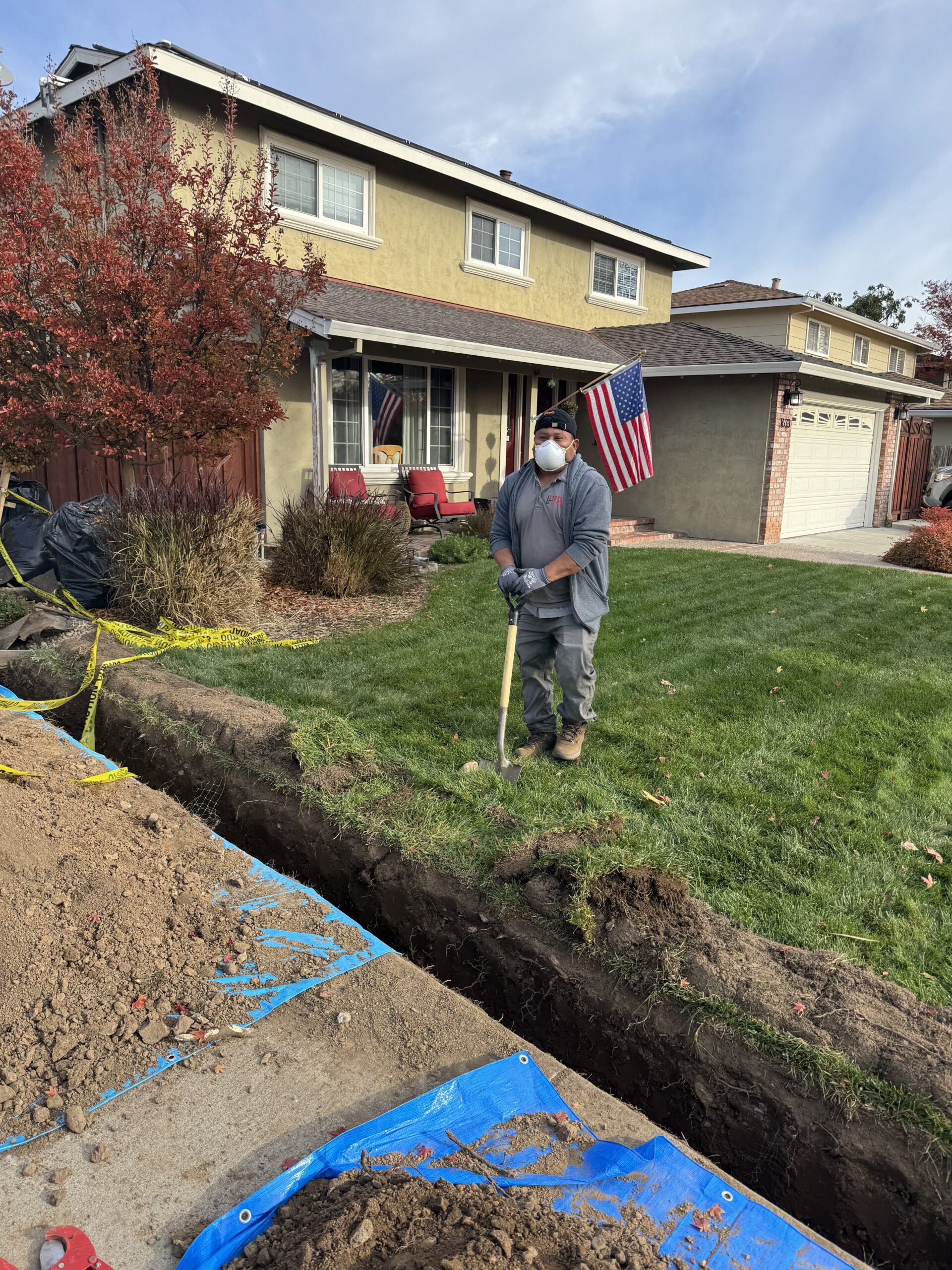
Instead of a trench along the whole run, we dig a small access pit at each end, bore a path between them and pull the new copper line through it.
The new line goes beneath concrete, pavers or stamped hardscape. Nothing is cut open, so nothing needs patching.
Lawns, irrigation and planting beds stay as they are. The line passes below all of it.
When the whole main water line from the meter to the house has to go, it can be pulled in one pass.
The new line is copper, the same pipe and the same code compliance as a trenched installation.
Replacing the pipes inside the house too? See whole house water line replacement.
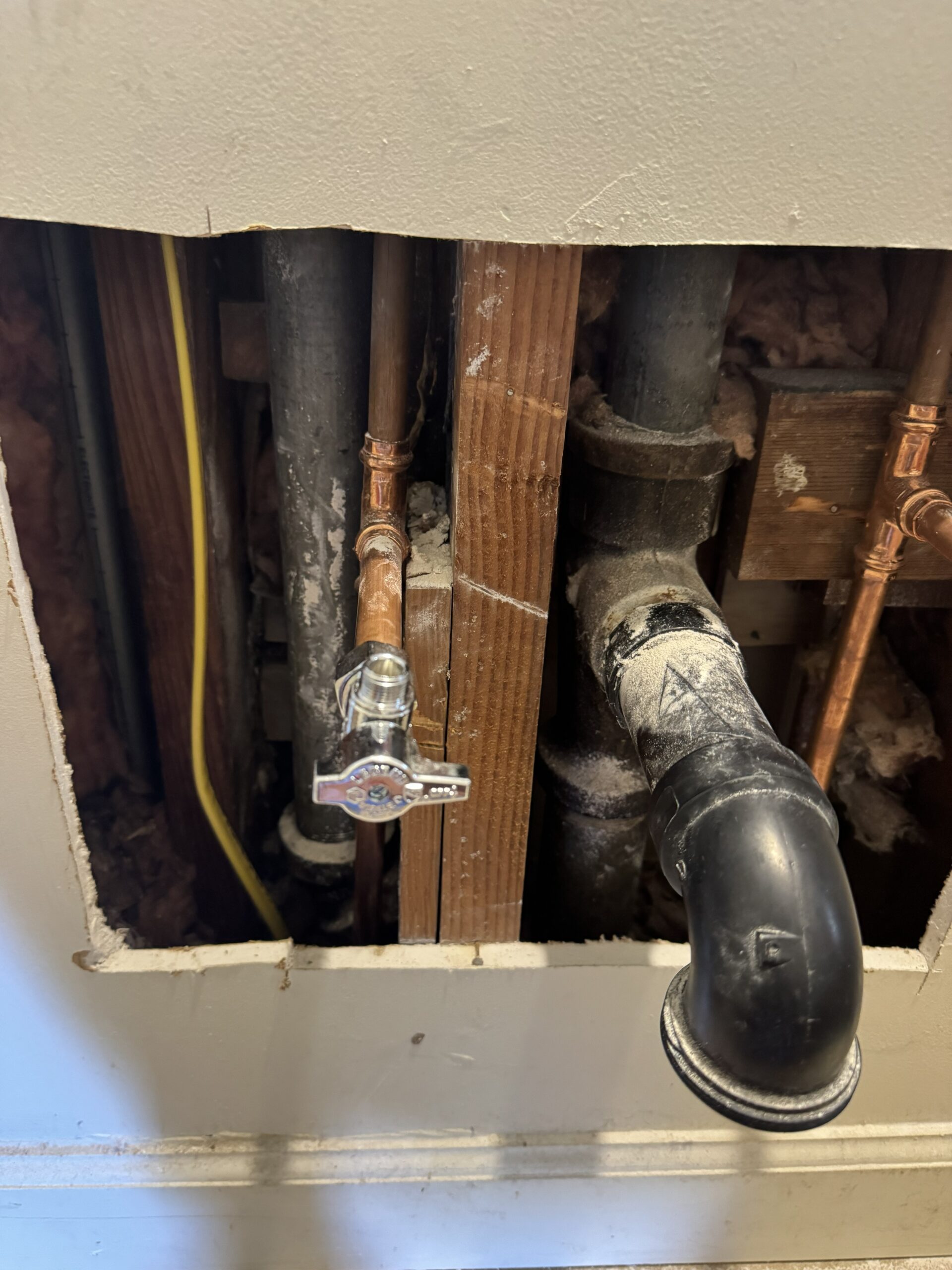
Trenchless or Open Trench?
Trenchless needs only two small pits and suits driveways, patios and mature landscaping. Afterward, only the two pits are backfilled. The new line is copper.
An open trench is sometimes still more practical, especially on shorter runs or open ground with clear access. It works in any soil and can use copper or PEX, but the concrete, sod or pavers along the route have to be replaced.
Either way the work usually takes 1 to 3 days depending on length and depth. The site visit compares both methods for your property, so you can weigh the cost and disruption of each.
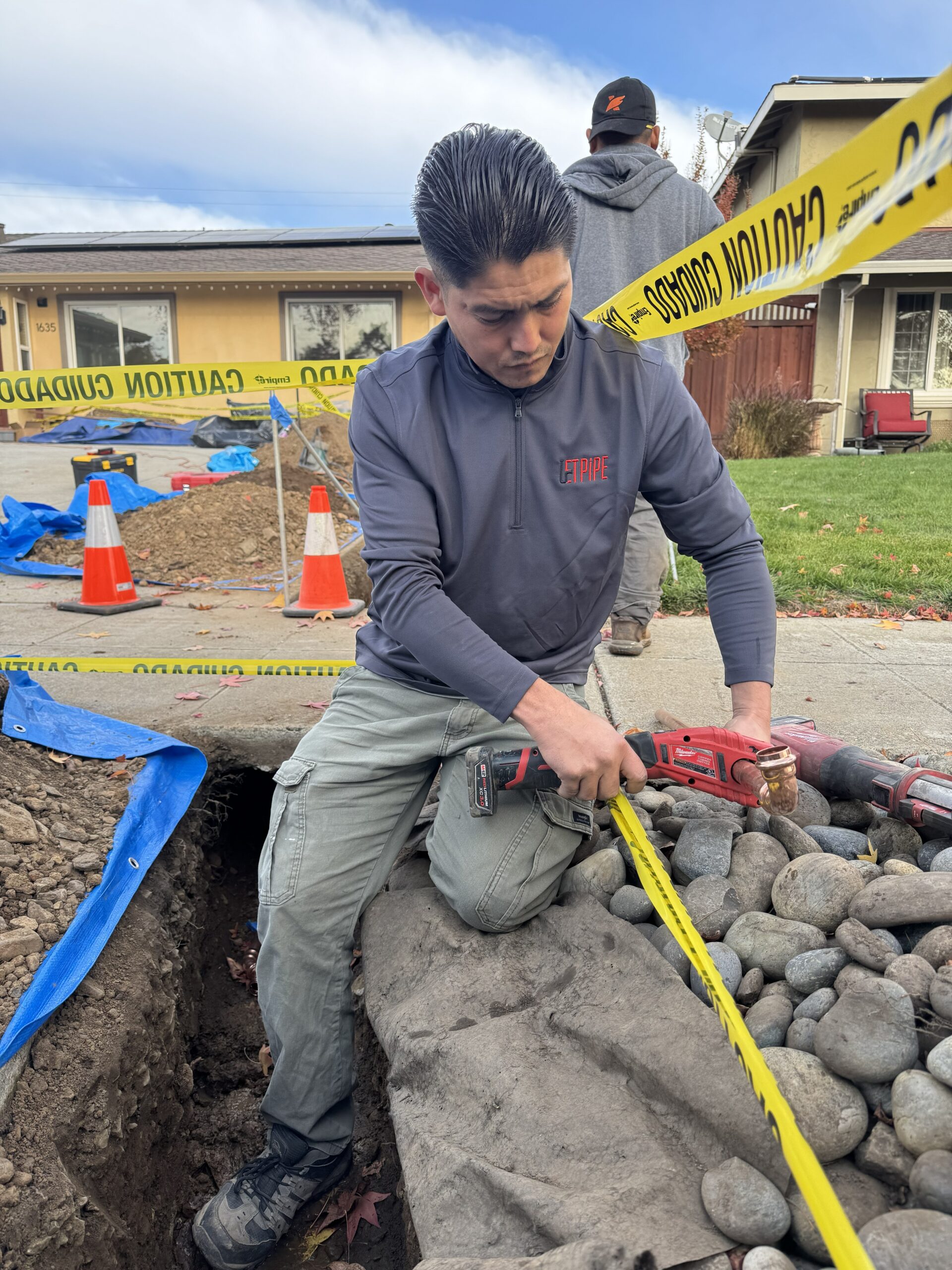
Checking the Ground Before the Bore
Clay, which sits under most South Bay yards, holds the shape of the bore well. Loose fill near creek beds and rocky ground behave differently, so soil is one of the first things we check on the site walk.
We locate existing utilities before launching, map the route around large tree roots and look for a straight path between the pits.
Part of the free assessment is confirming that your property is a good fit before we recommend the method.
Is Your Main Water Line Failing?
Four quick questions and a simple magnet test on the line that brings water into your home. See what it is likely made of and whether it is time to replace it.
- About 1 minute
- No email needed
- Instant result
- 1
- 2
- 3
- 4
When was your home built?
A best guess is fine.
Which city is your home in?
Permit requirements depend on the city.
Try the magnet test
Grab any fridge magnet. It takes 30 seconds.
- Find the main line where it comes out of the ground: usually by the front hose bib, near the water heater, or right after the meter box.
- Wipe off any paint or grime.
- Hold the magnet to the pipe itself, not the shutoff valve or pressure regulator: those are brass and won't hold a magnet either way.
Have you noticed any of these?
Select all that apply.
From Site Walk to Final Inspection
Your water stays on until the tie-in on the last day.
We check the layout, soil and obstacles, and locate existing utilities.
You get the price for the method that fits. Financing is available.
Our permit department draws the plan and gets the city permit.
The new copper line is bored, pulled through and pressure tested while the old line still feeds the house.
A JetPipe staffer meets the inspector with the pits open, then the pits are backfilled.
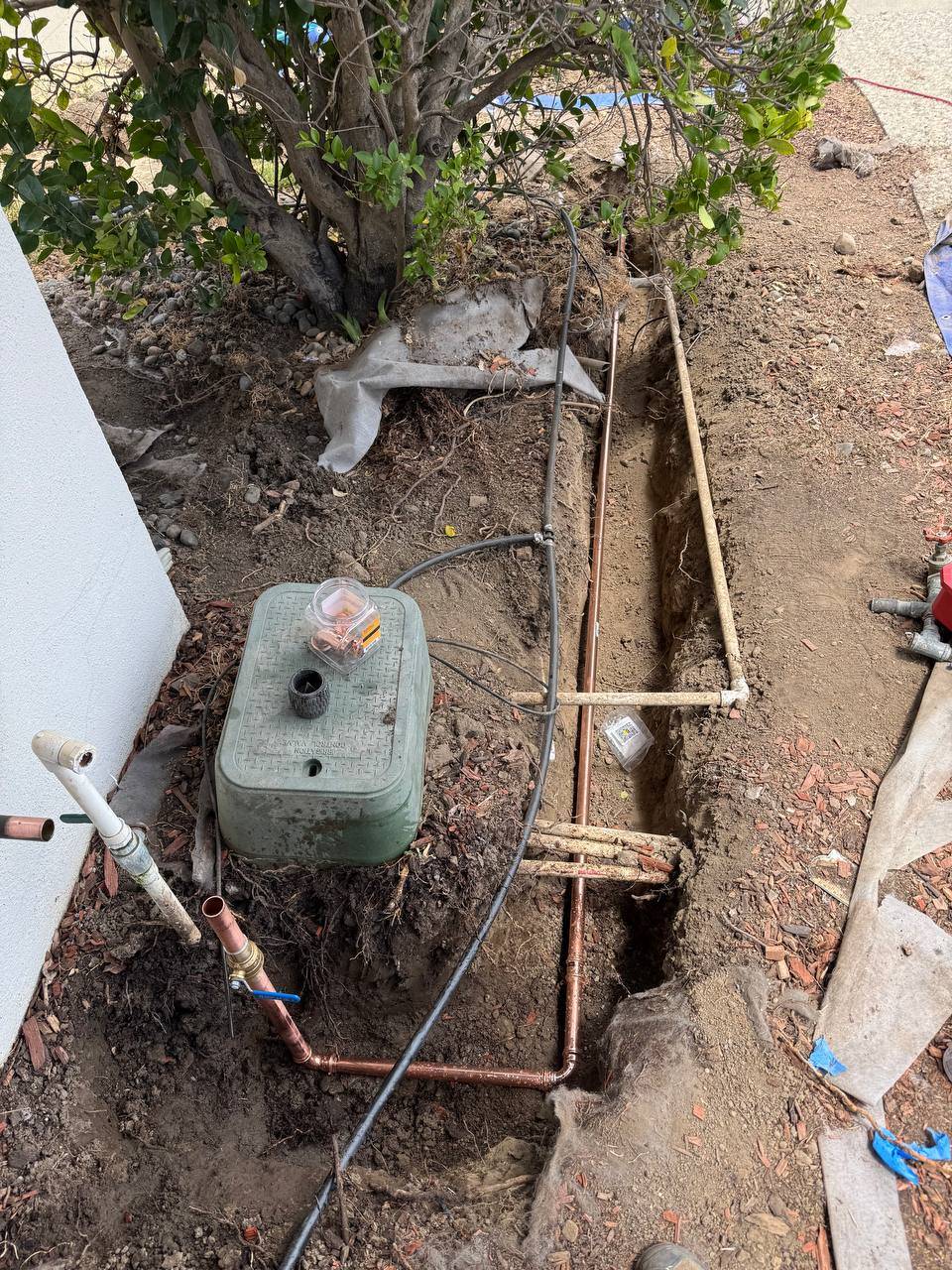
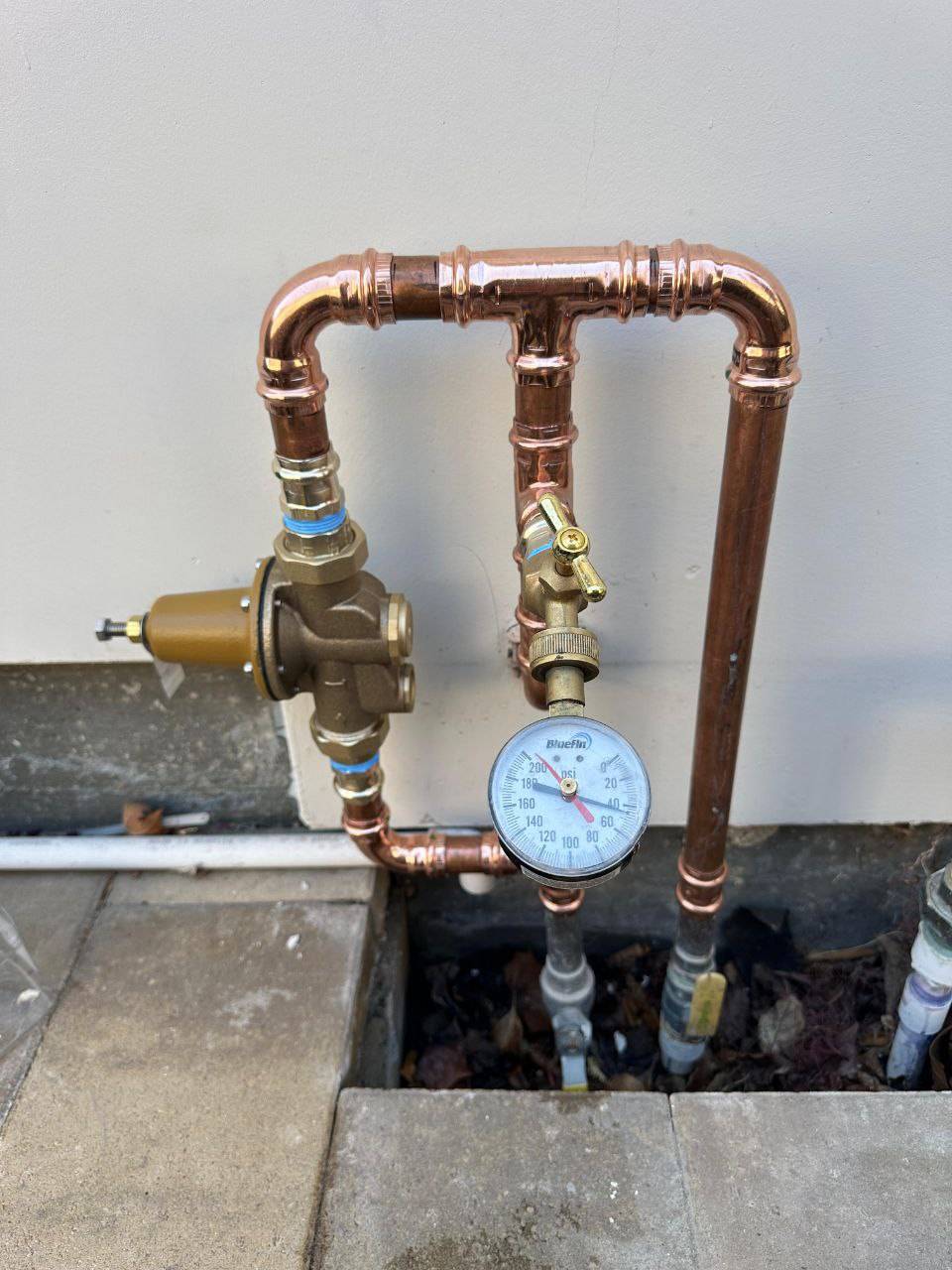
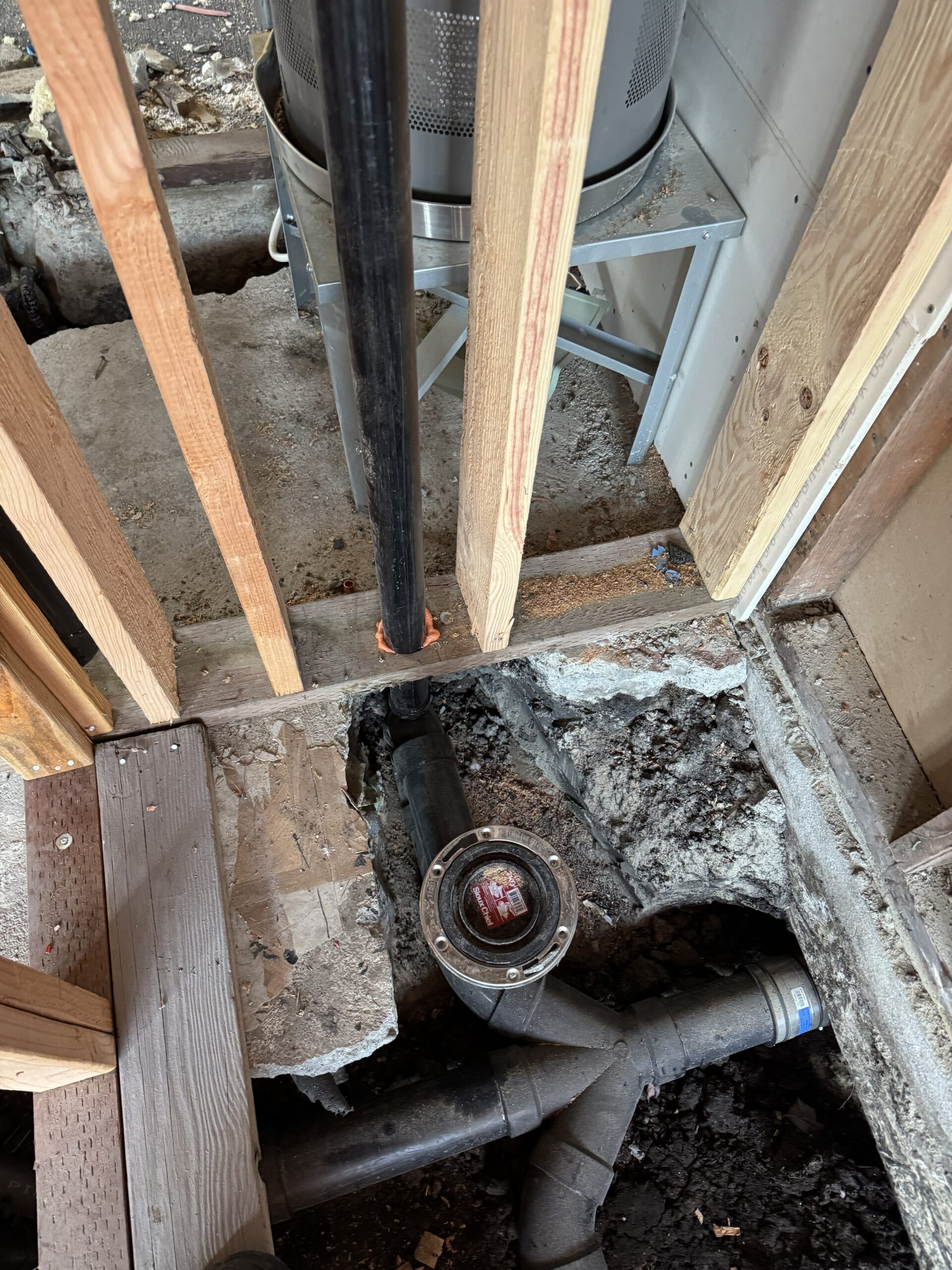
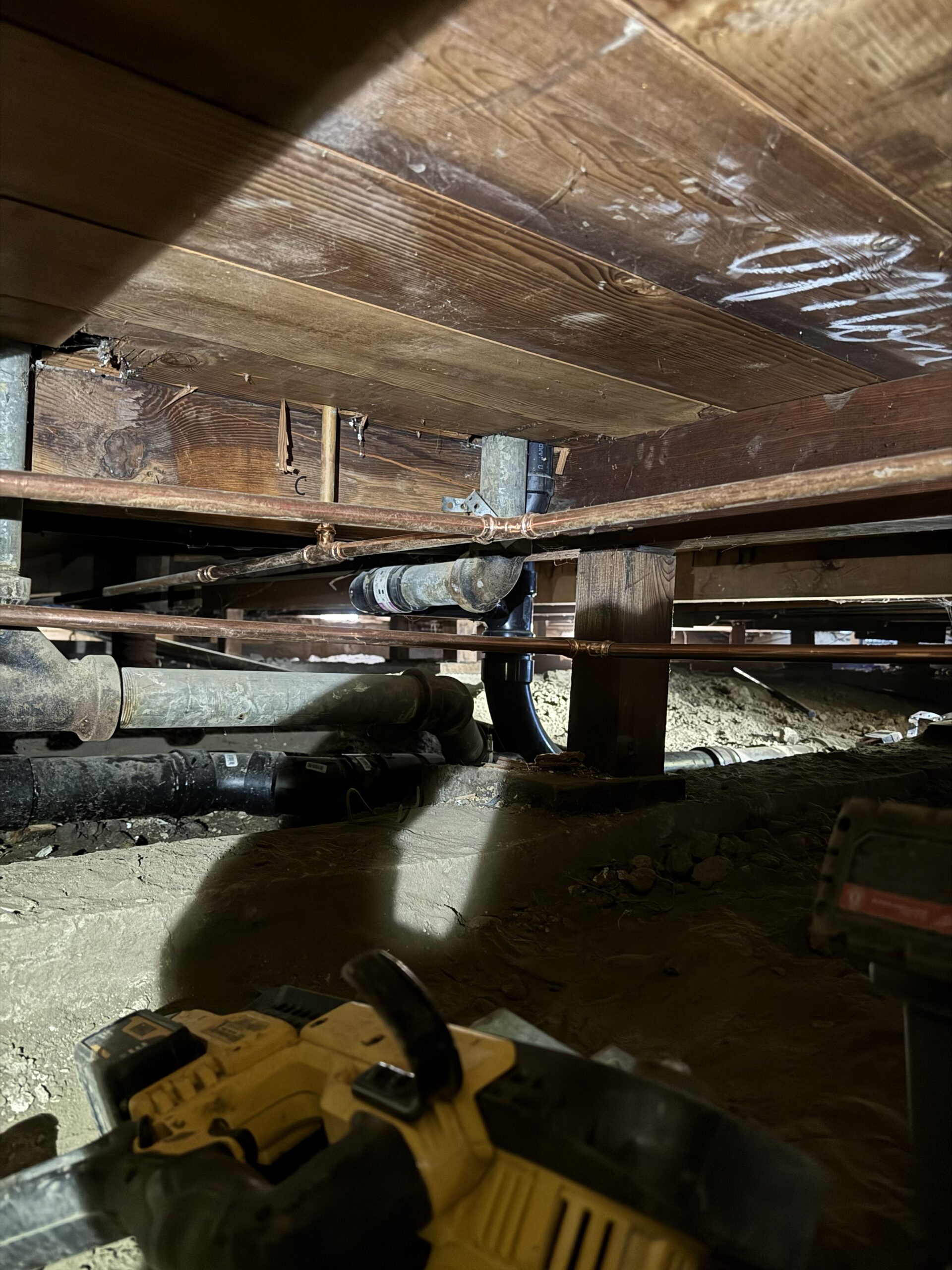
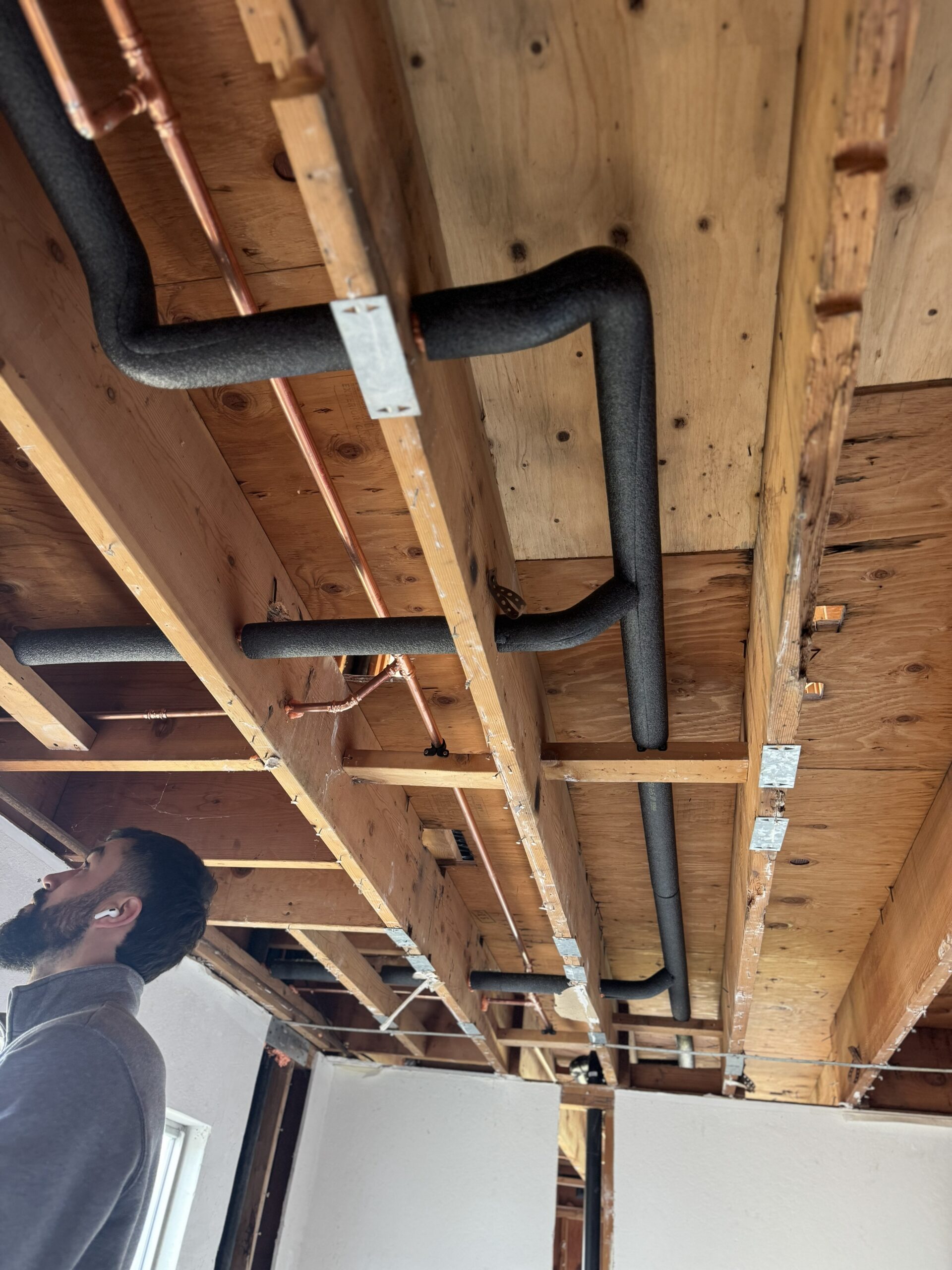
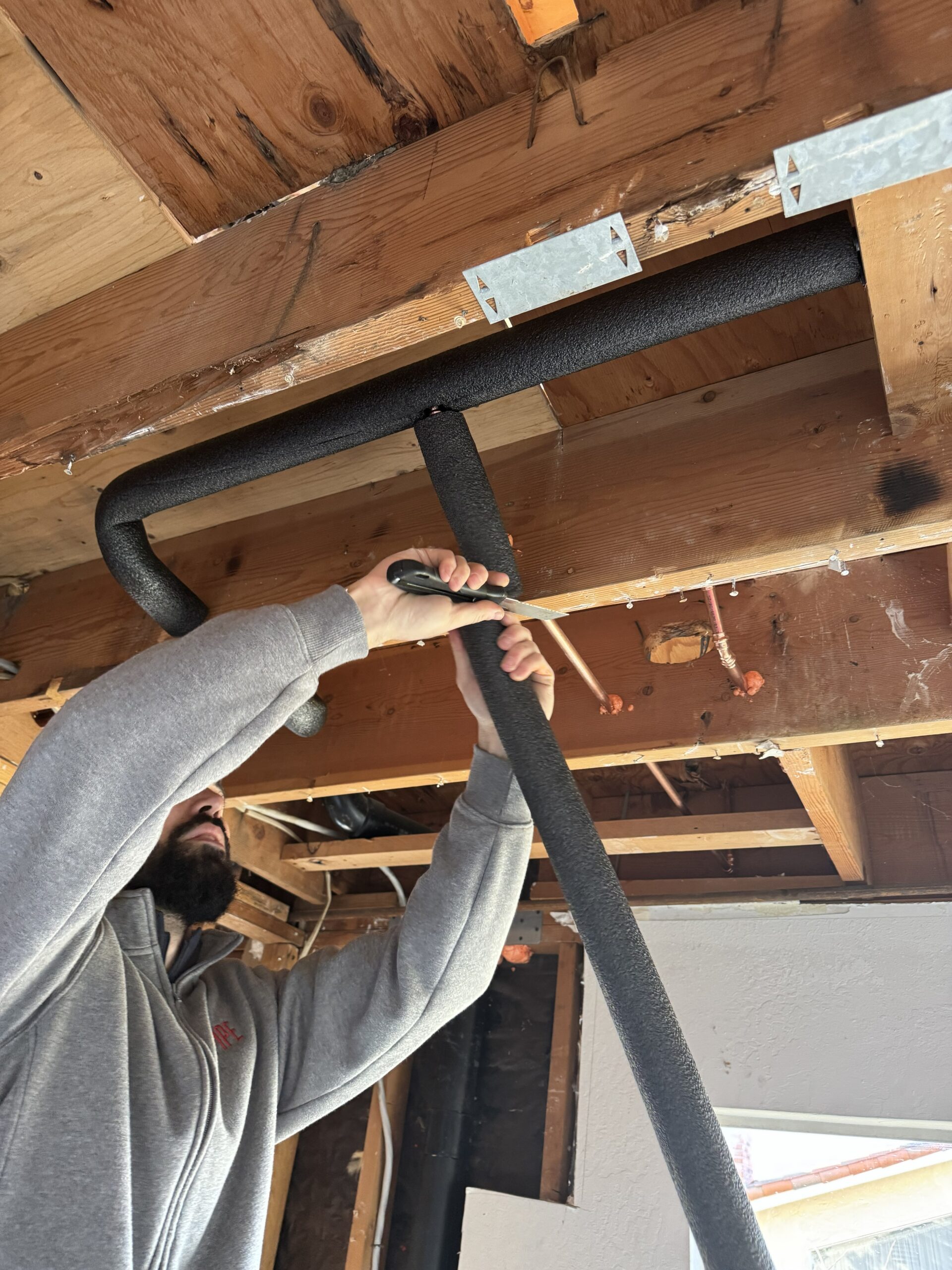
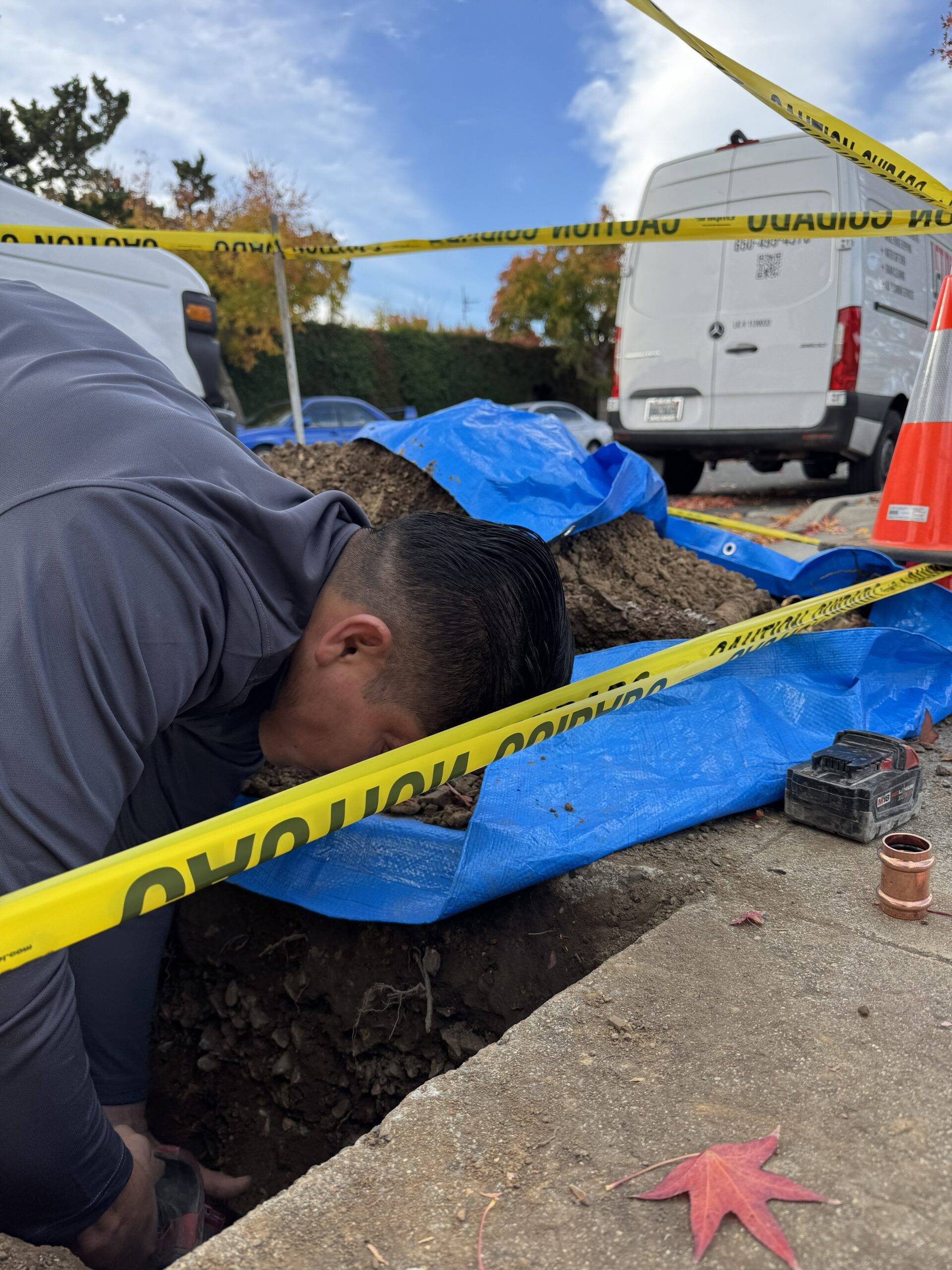
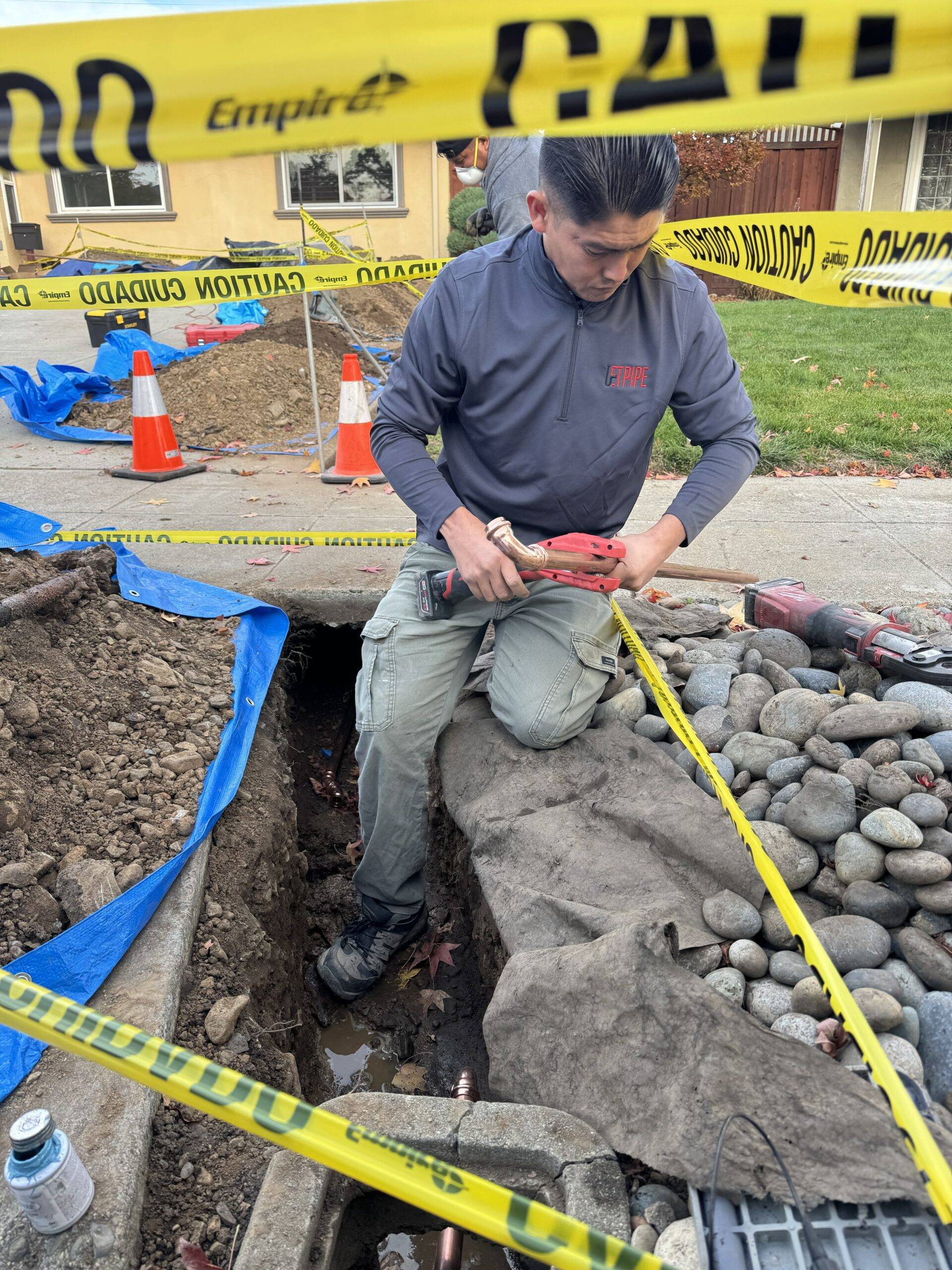
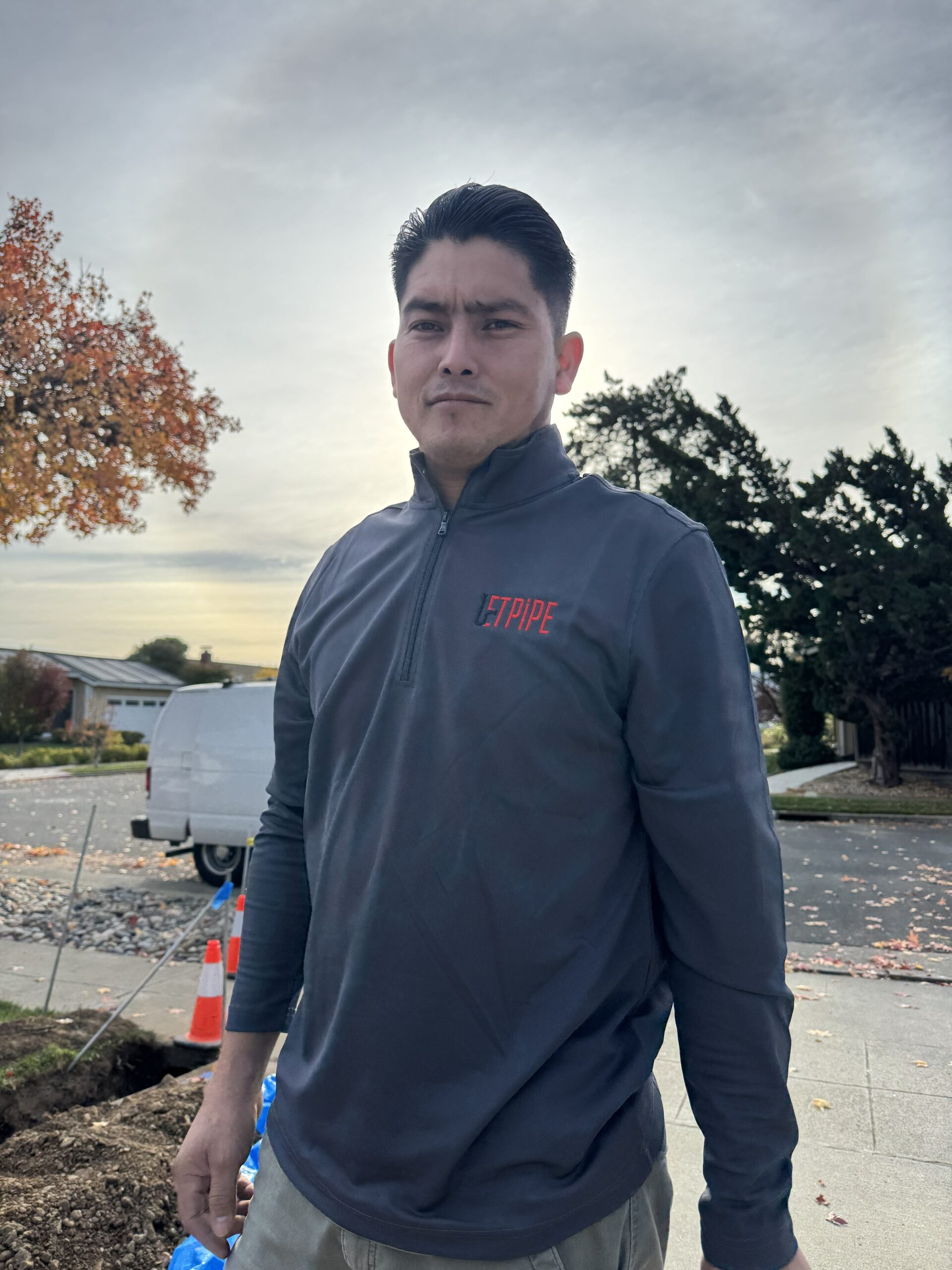
Recent Water Line Work
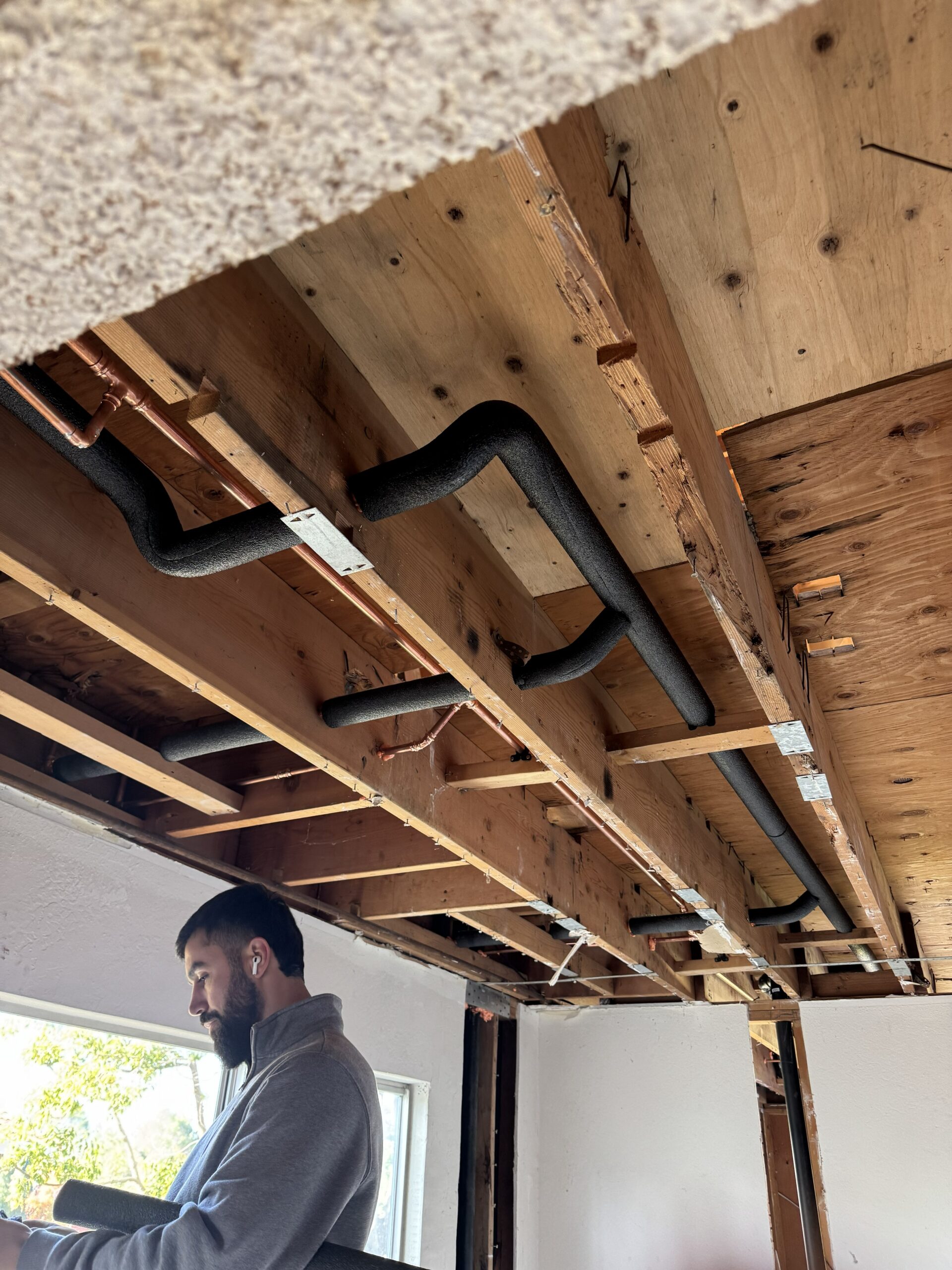
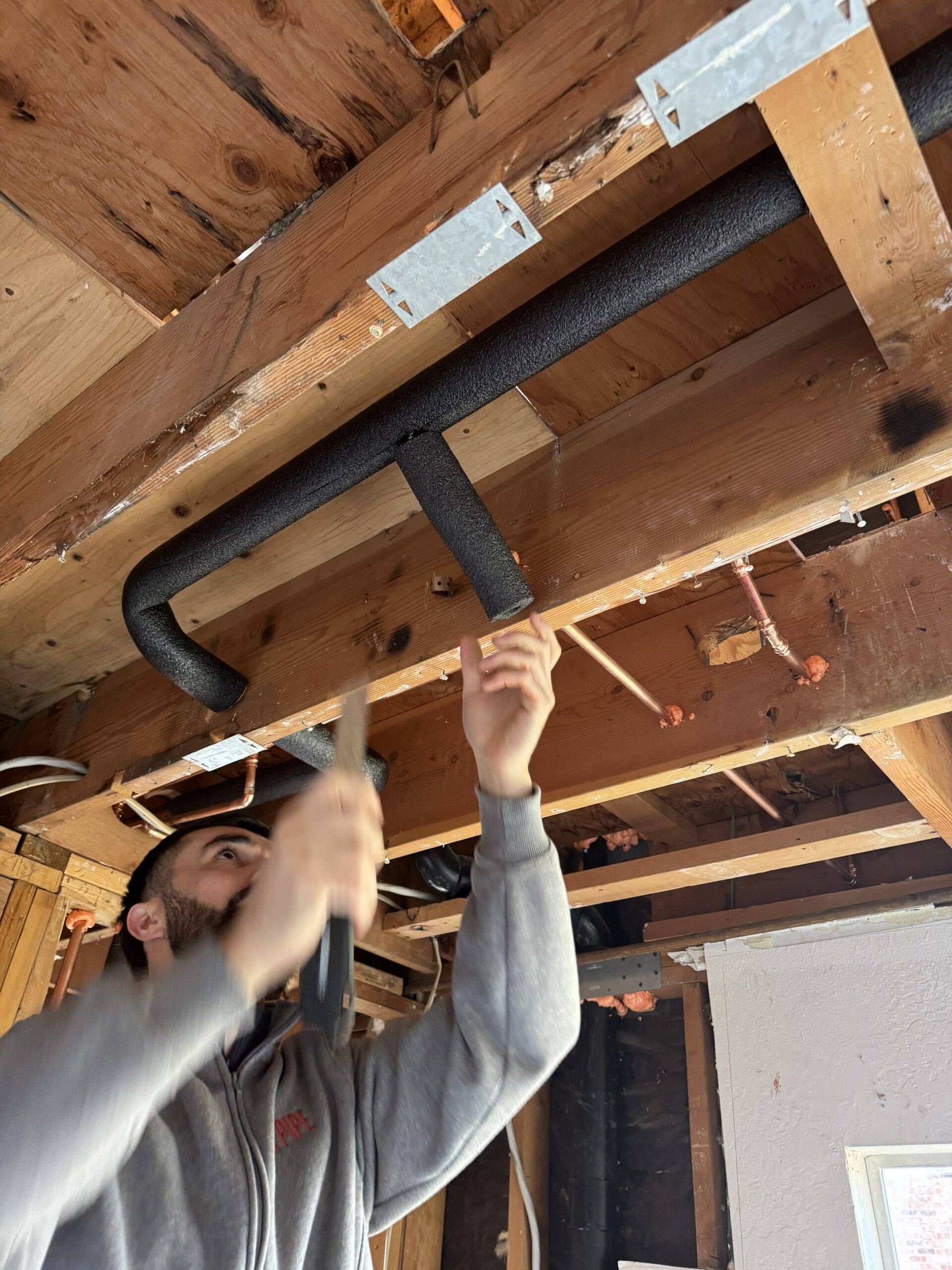
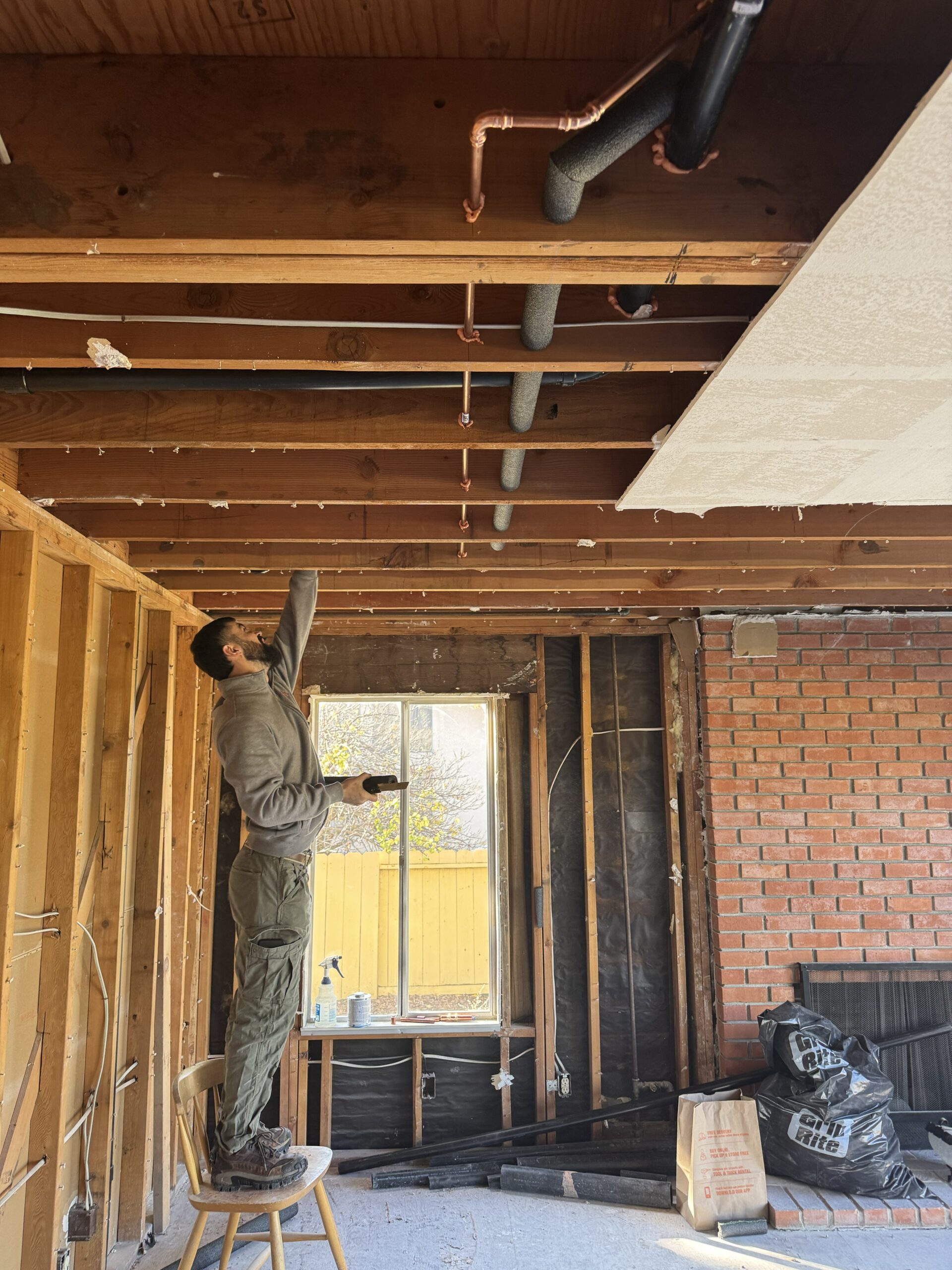
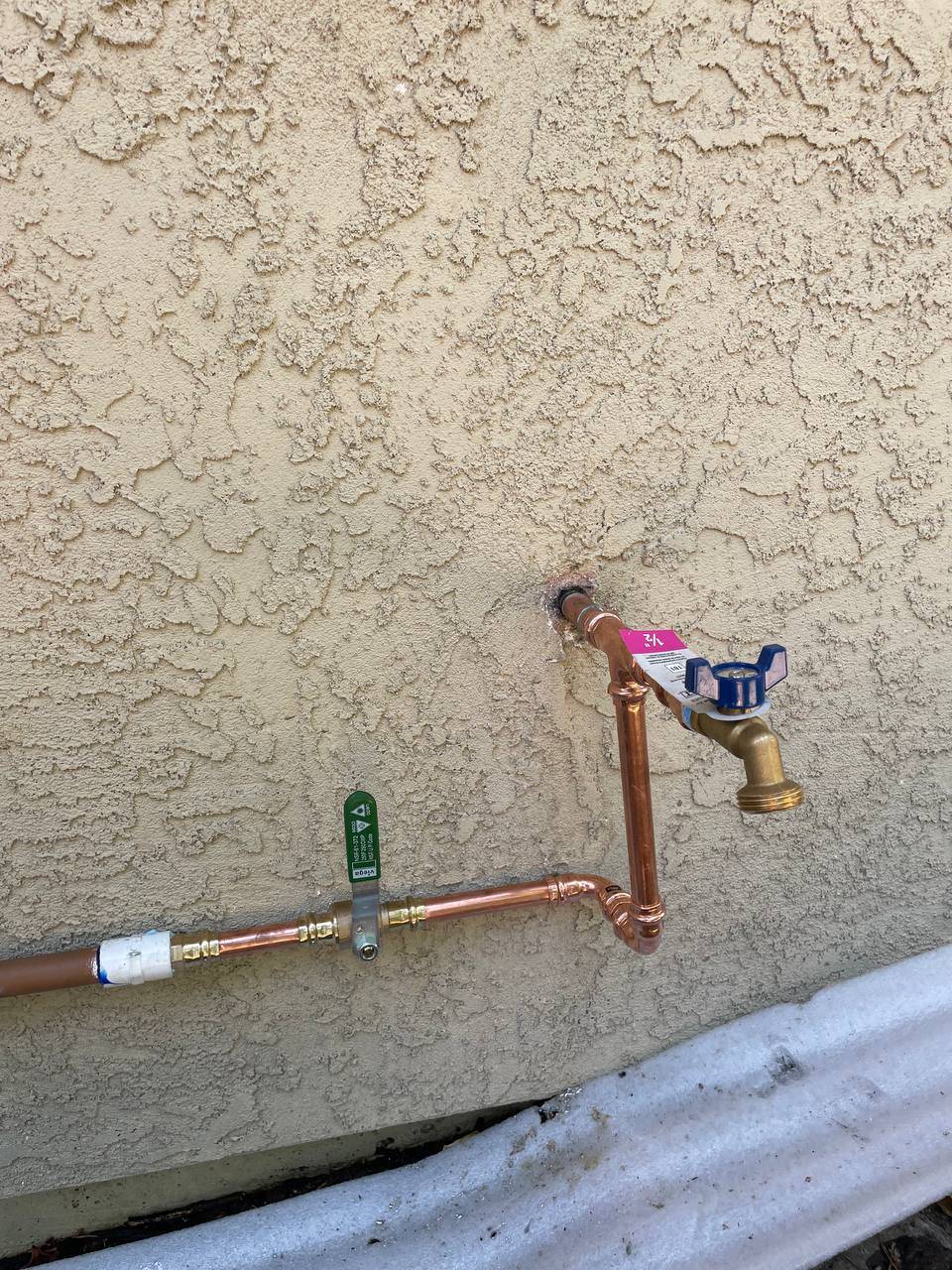
Real water line jobs we have completed across the South Bay and the Peninsula.


Free Estimate
Get a Free Estimate on Your Main Water Line
Tell us what you are noticing and we will confirm the route, the permit and the timing.
Instant Quote
See What Your New Water Line Will Cost
Answer a few questions about your home and get a personalized estimate online.
400+ reviews from Bay Area homeowners
Where We Work Across the South Bay and Peninsula
We are based on Stewart Drive in Sunnyvale and cover the South Bay and Peninsula
from there. If your city is not on the list, call us anyway. We often work just outside our
usual range.
The map shows where we work most weeks, not a fence. We are based in Sunnyvale and we regularly take jobs just outside it. One call tells you whether we can reach you and when.
Trenchless Water Line Questions We Get
Will trenchless work in the clay soil under most Sunnyvale yards?
It does, and clay is one of the better soils for it. The tool pushes soil sideways, and clay holds the shape of the bore instead of caving into it. Loose fill near creek beds behaves differently, which is one of the things we check during the site walk.
What if the bore hits a rock or an old buried line?
That is why we locate before we launch. If the head still stops on something, we open a small window at that point, clear it and carry on. You hear about it before we dig anything extra, and it goes on the estimate before it goes on the invoice.
How long will my water be shut off?
Not long. We build the entire new line and pressure test it while the old one is still feeding the house. The shutoff only happens at the tie-in, usually an hour or two on the last day.
Does the old water line get pulled out?
In most cases it stays in the ground. Removing a dead pipe would mean digging the trench we just avoided. We cap both ends and leave it, which is normal practice and passes inspection.
Who gets the permit, and what does the inspection involve?
Our permit department draws the plan and gets the city permit for main line work. The city inspects the new line while the pits are still open, and a JetPipe staffer meets the inspector on site with the documentation. If the work reaches the public right of way near the meter, a separate encroachment permit may be needed as well.
Can you run a line under a mature tree without killing it?
Often, yes. The bore runs below the dense feeder roots and displaces soil rather than cutting through it. When a trunk sits right on the straightest path, we change the launch angle and route around it.
Is trenchless more expensive than digging a trench?
The install itself can run a little higher. The total bill often does not, because trenching adds concrete removal, sod, irrigation repair and a driveway patch that never quite matches. We price both ways so you can compare the real numbers.
Can I finance a trenchless water line installation?
Yes, financing is available. You get the written price for the installation first, then decide how to pay. See financing options.
Fill this out and we will call you back with a real answer: what it usually turns
out to be, what it takes to fix, and what it costs. No charge for the
conversation.