
Whole House Repiping
in Santa Clara, CA
Copper and PEX repipes for Santa Clara homes, including slab houses where the old lines run under the concrete. We pull the permit, attend the inspection and patch the drywall. Licensed C-36, our own crew, no subcontractors.



Three Symptoms That Usually Mean the Pipe, Not the Fixture
A single fixture running weak is a fixture problem. The whole house losing pressure the moment a second tap opens is a supply problem, and in older pipe it means the working diameter has closed up.
Water standing overnight in corroding pipe picks up what it is standing in. If it clears after running for a minute and comes back the next morning, the pipe is telling you something.
One pinhole is a repair. A second one in a different room within the year is the system reaching the end of its service life, and patching each new leak as it appears is the expensive way to replace a house.
What We Find Behind the Drywall
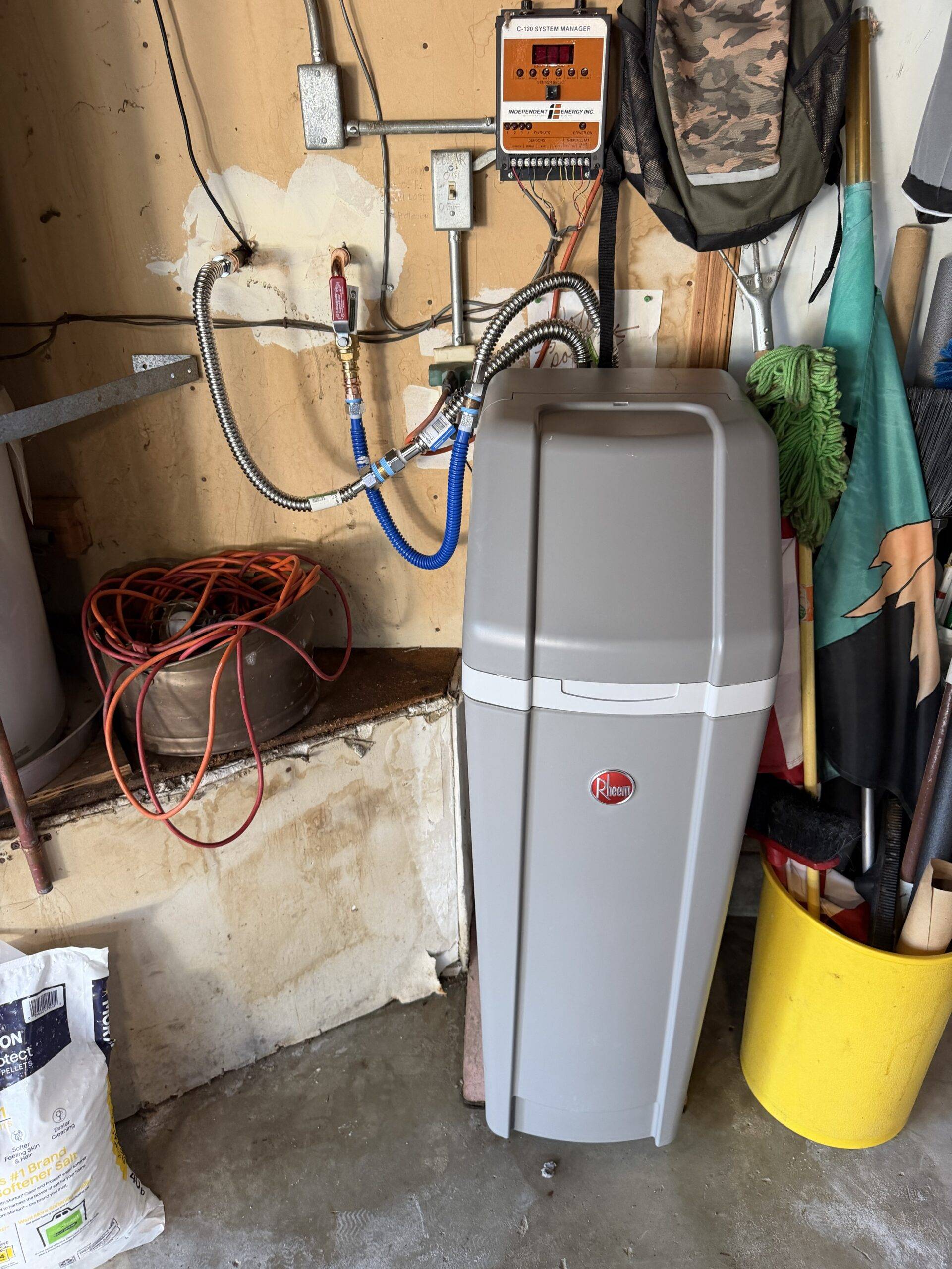
Supply pipe in Santa Clara comes in a few distinct generations and each one fails in its own way.
Galvanized steel, the older houses near the Old Quad. Zinc coating wears through, the steel underneath rusts, and the rust builds inward. These lines do not usually burst, they strangle. Pressure falls off gradually over years until the house feels normal to the people living in it and shocking to anyone visiting.
<b<Copper under the slab, the postwar tracts. Sound material in a bad location. A pinhole in a wall is a morning of work. The same pinhole under four inches of concrete is a warm patch on the floor and a water bill nobody can explain.
PEX manifolds, the newer developments. Modern and generally fine. Where we get called here it is usually one bad run or a fitting, not the system, and a full repipe would be selling you something you do not need.
Repiping a Slab House Without Breaking Up the Floor
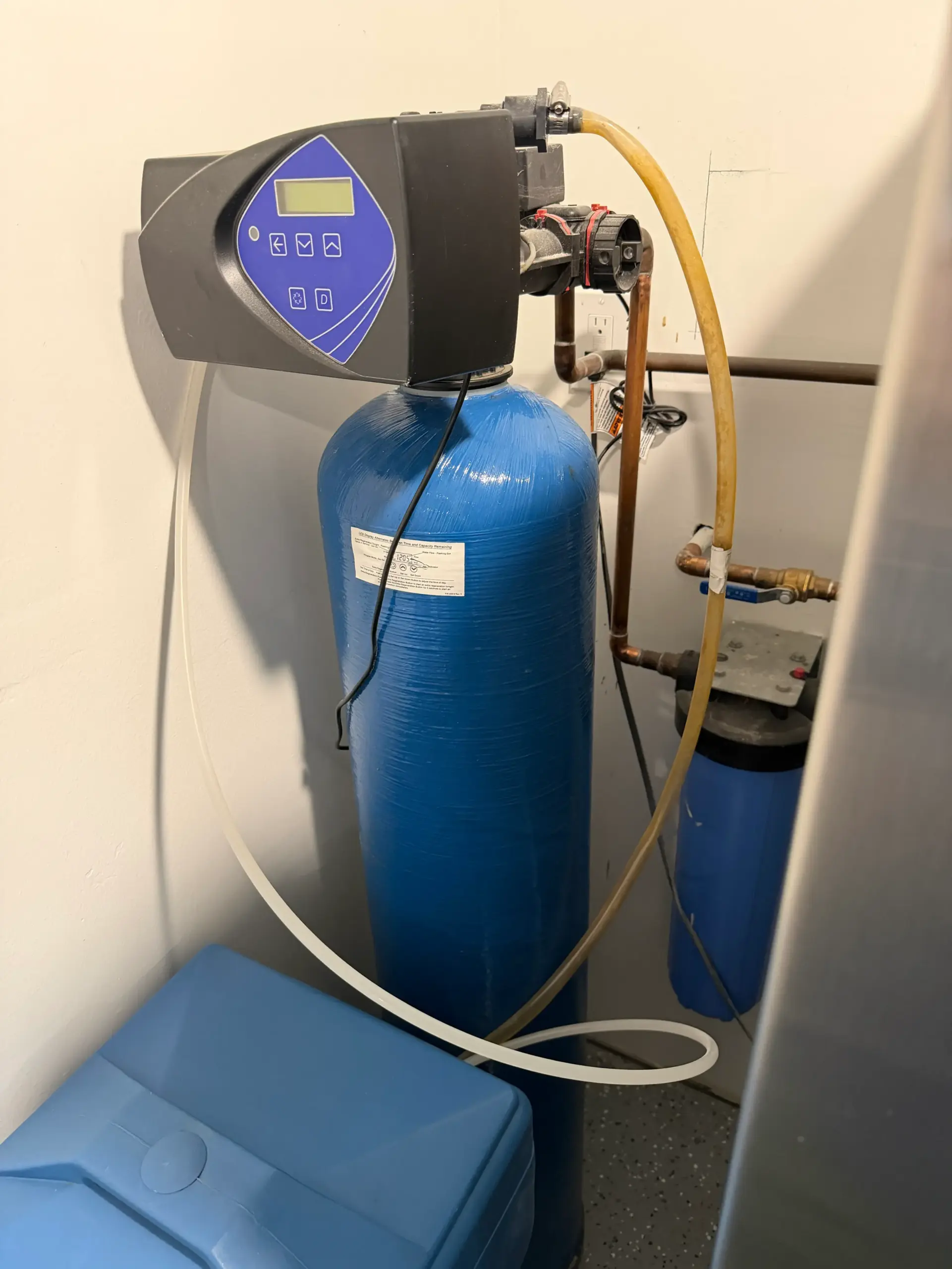
Plenty of Santa Clara houses sit on a concrete slab with the original supply lines buried in it. The instinct is to assume a repipe means breaking up the floor, and that is what makes homeowners put the job off for years while the leaks continue.
In most of these houses it is not necessary. Where the layout allows, we route the new copper and PEX overhead through the attic and drop it down inside the walls, then abandon the old lines in the concrete where they sit. Your floors stay where they are. Opening the slab is what we do when the layout genuinely leaves no other path, not as a starting assumption.
Copper & PEX, and Why We Pick One Over the Other
Copper is rigid, long lived and the material most people picture when they think about a repipe. PEX is flexible, which means fewer joints and easier routing through finished walls and around obstacles, and fewer joints means fewer places to ever leak.
Most houses end up with a sensible mix rather than a purist answer, and which mix depends on your layout rather than on what we prefer to install. We walk the house and explain the reasoning before you decide.
Permit, Inspection and Drywall Are Part of the Job
A repipe needs a city permit and a city inspection, and in Santa Clara that means the city building department rather than a regional one. Our permit department pulls it, and one of our people attends the inspection with the documentation.
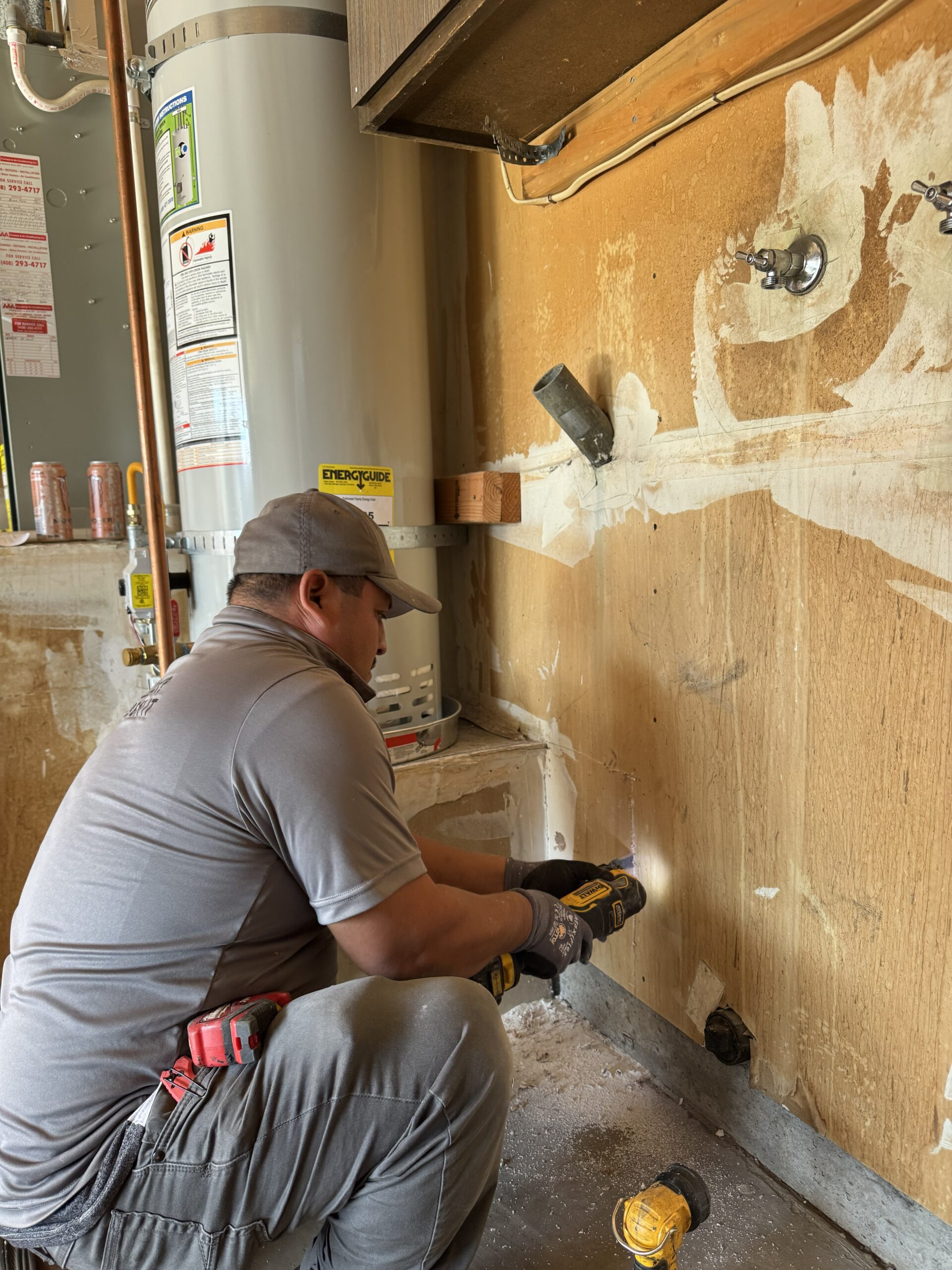
Access openings are part of repiping. We plan them rather than discovering them, keeping them to what the routing actually requires, and we patch them when the pipe work is done. You are not left with a finished plumbing system and an unfinished house.
Fifteen Years on a Whole House Copper Repipe
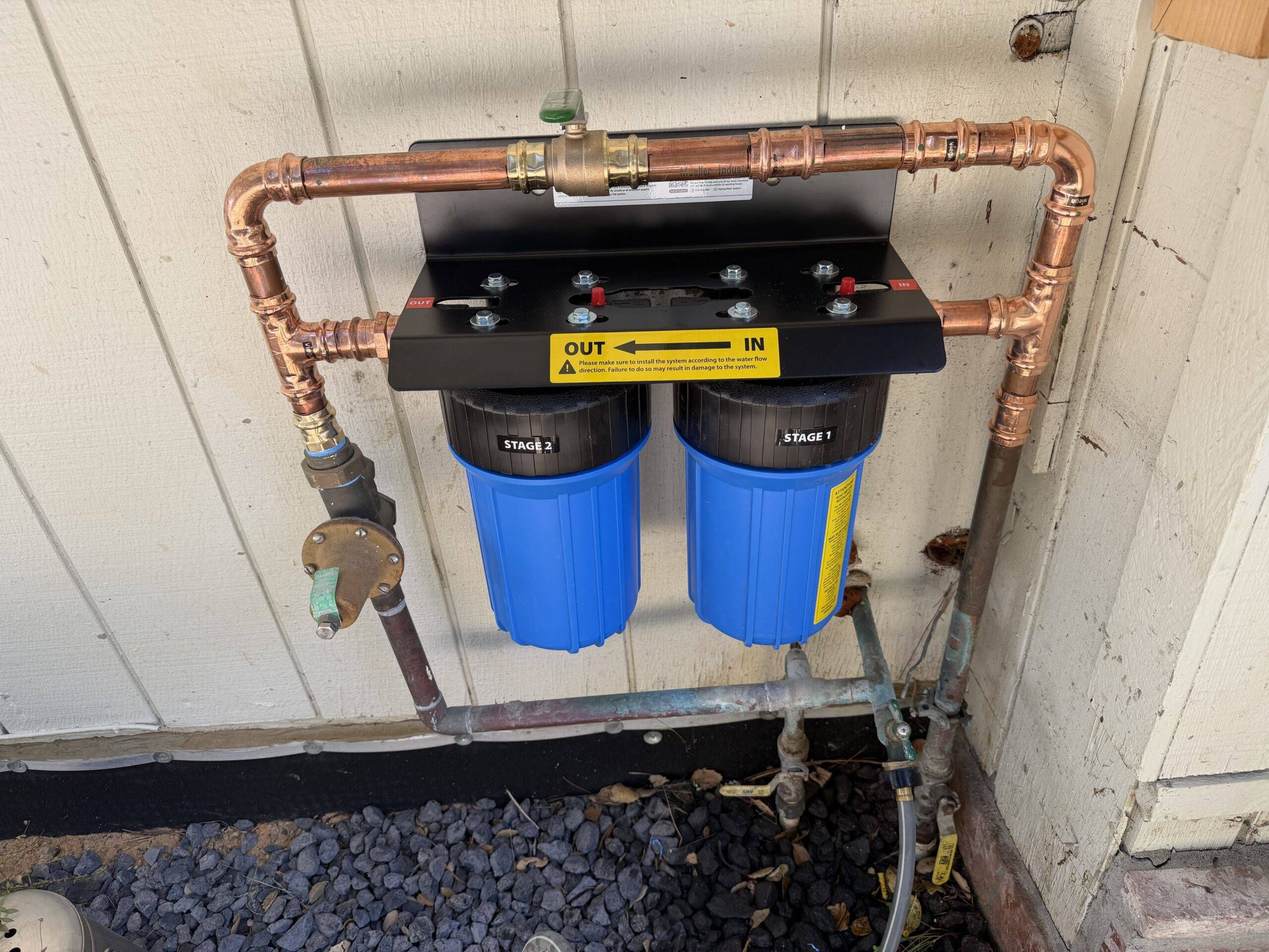
Every joint, fitting and connection we install is covered for fifteen years, parts and labor included. It is our own warranty rather than a manufacturer's, so there is one company standing behind the work and one number to call. No service call, no invoice, no questions.
Houses We Repiped in Santa Clara
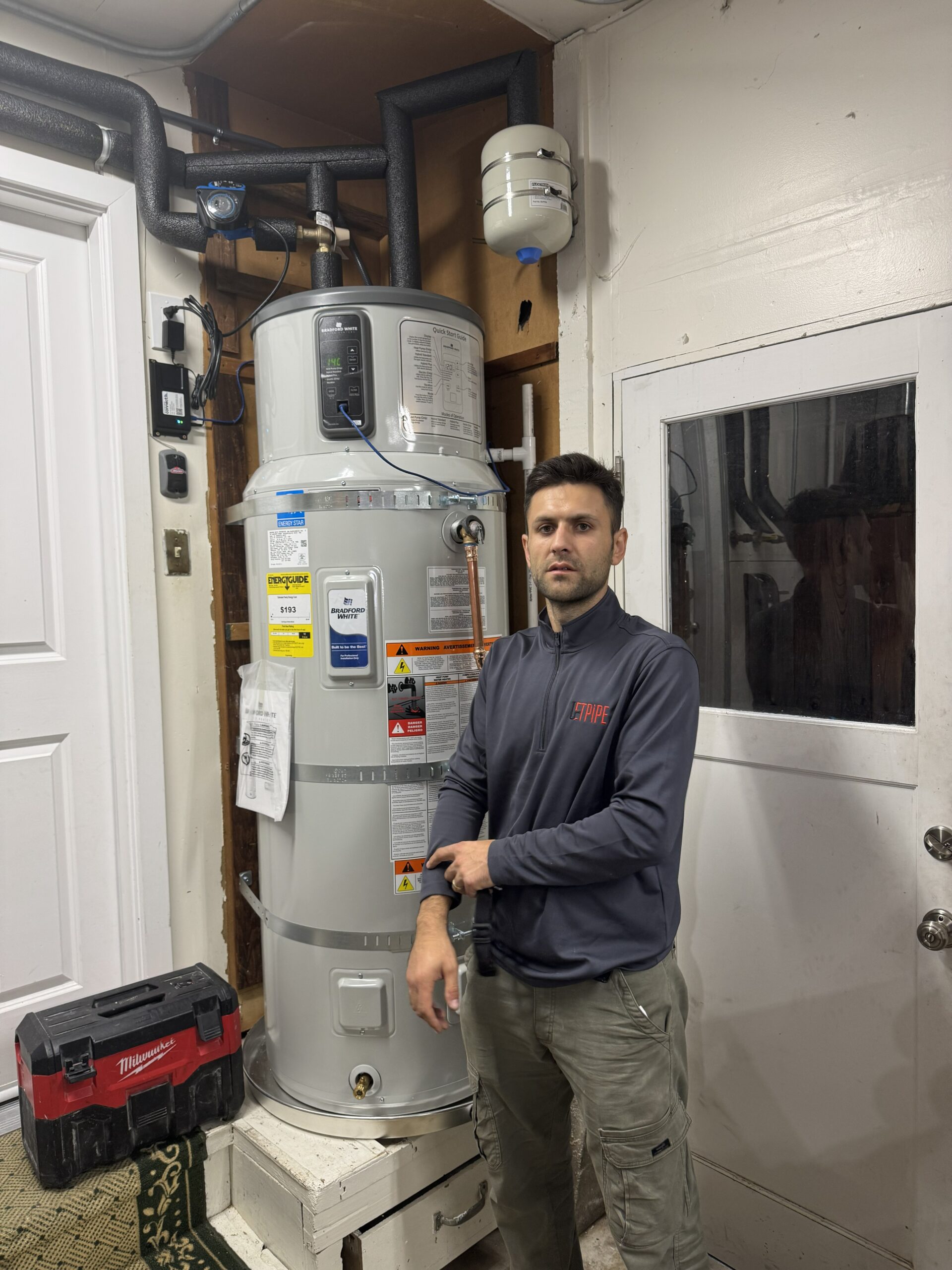
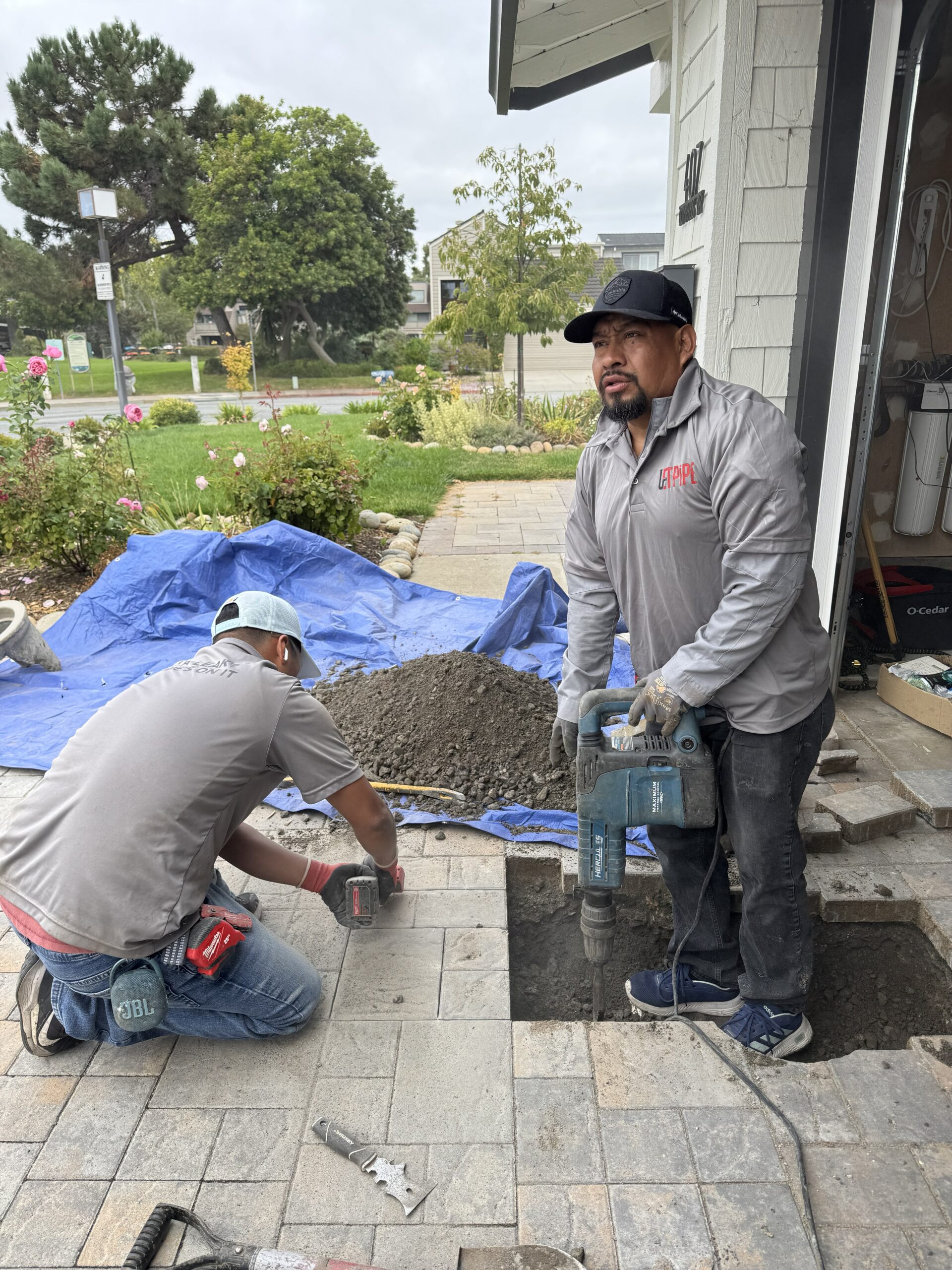
Open walls, new runs, and the same rooms once the drywall went back. Every job on a Santa Clara address.








400+ reviews from South Bay homeowners
Repiping Across Santa Clara
We work out of Sapena Court here in the city, which matters more on a repipe than on a small job, because the crew is on site across several consecutive days.
Old Quad, Rivermark, Santa Clara Square, Forest Park, Killarney Farms, Agnew, Northside, Downtown, Lawrence Station area, Central Park
The map shows where we work most weeks, not a fence. We are based in Santa Clara and we regularly take jobs here. One call tells you whether we can reach you and when.
Do we have to move out while the work happens?
Almost never. Water goes off in sections rather than all at once, and we sequence the work so at least one bathroom stays usable at the end of each day. We tell you the day before which fixtures will be down.
How many days does a whole house take?
Most single family houses run a few days for the pipe work, plus patching afterward. Access decides more than square footage does. A house with an accessible attic moves faster than one where every run has to be opened from below.
Copper or PEX, which would you actually put in your own house?
Both, in different parts of it, which is the honest answer rather than a sales one. Copper on the main runs where it is exposed and accessible, PEX where routing through finished walls would otherwise mean opening three more of them.
What happens to the walls you open?
We patch them as part of the job. Texture and paint matching beyond the patch is a conversation we have upfront, because a fresh patch on a wall painted years ago will not disappear entirely no matter who does it.
Can you do only part of the house?
Yes, and sometimes that is the right call. If one wing was redone at some point and the rest is original, repiping the original half is reasonable. If the whole system is the same age, doing half of it means paying twice for access.
Does a repipe need a permit and an inspection?
It does, and you want it to. An unpermitted repipe becomes a problem at the point of sale, when the disclosure asks what work was done and by whom. We pull it and we attend the inspection.