
You have found the house. The offer is in, the standard home inspection is booked, and the roof, foundation, and electrical are all on the checklist. One thing almost certainly is not – the sewer line. It runs underground from the house to the city main, out of sight, and a general inspector does not put a camera down it. On an older South Bay home, that is the one hidden problem that can cost more than everything else on the report combined.
This article explains why the sewer lateral is a serious risk, what a standard inspection overlooks, and how to incorporate a camera inspection into your due diligence before you close.

What a standard home inspection does not cover
A general home inspector does a visual survey of what they can reach and see. They check the accessible plumbing: fixtures, visible pipes, water pressure, and signs of leaks. What they do not do is send a camera into the sewer lateral, the buried line that carries everything from the house to the public main.
That line is not optional, and it is not cheap to replace. It is also completely invisible during a normal walkthrough. A house can look beautiful, pass inspection, and still sit on top of a sewer line that is cracked, root-filled, or one heavy season away from failing. Nobody finds out until it backs up, and by then the house is yours.
Why the sewer lateral is the risk that matters
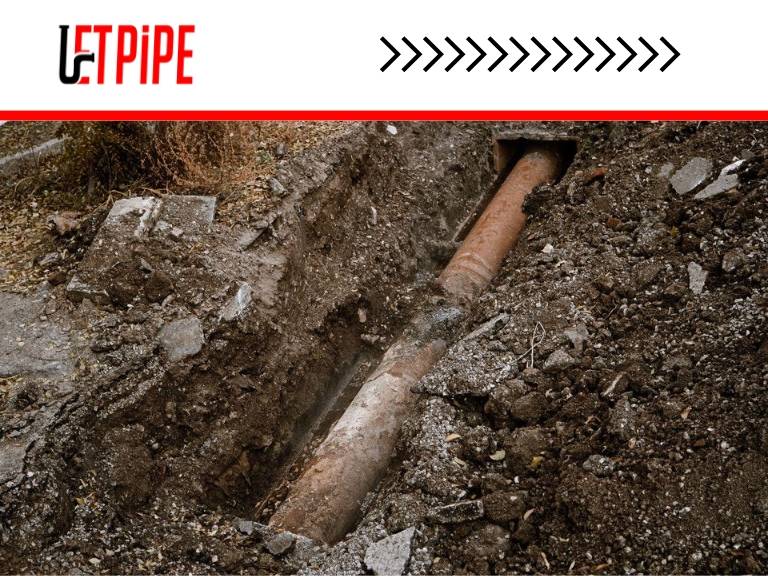
Most surprises a home inspection turns up are things you can see and budget for. The sewer lateral is different. Replacing a failed one is among the larger repairs a homeowner can face, and it is not a quick fix. It sits buried under the yard, the driveway, or a mature tree, so simply reaching it becomes part of the cost. And it stays invisible until it fails, because there is no way to judge its condition from inside the house. Without a camera, you are buying blind.
On an older home, the odds are not in your favor. The lateral is often as old as the house, made of materials that were never meant to last this long.
What the camera actually shows
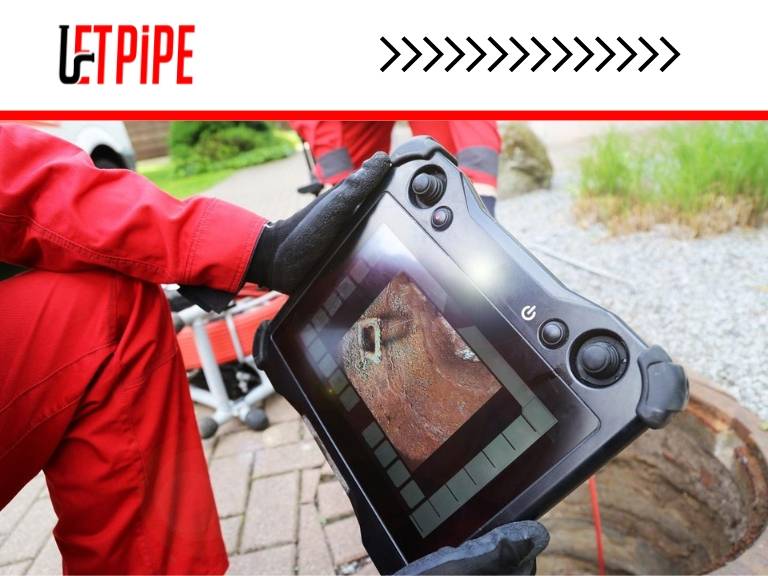
A sewer camera inspection sends a high-resolution camera down the lateral so you can see its real condition before you commit. It reveals the cracks and broken sections in the pipe wall; the bellies where the line has sagged and holds waste instead of draining; and the root intrusion at joints and cracks, along with how far it has spread. It also shows the pipe material itself, which tells you a great deal about how much life the line has left.
You get a clear picture of what you are actually buying underground, while you still have room to act on it.
What to watch for in older South Bay homes
Much of the Peninsula and South Bay housing stock predates modern plumbing materials, and the sewer laterals reflect that. A camera commonly turns up clay pipe, laid in short sections with a joint every few feet, cracking and letting roots in at the seams. It finds cast iron corroded and scaled from the inside until the bore narrows. And it finds Orangeburg, a tar-and-fiber pipe that softens and deforms with age and can eventually collapse. Any of these is a reason to look closely before closing, not after. Mature street trees, common across older neighborhoods here, only add to the odds that roots have already found a way in.
Buying a South Bay home with no idea what’s underground?
We’ll camera the sewer line before you sign.
How to fit it into escrow
A pre-purchase camera inspection fits neatly into a standard due diligence window. Schedule it alongside your general home inspection, during your contingency period, and ask for the findings in writing, with video, so you have documentation rather than just a verbal note. Then take the results to your agent. If the camera shows a problem, that footage becomes real leverage to renegotiate the price, request a credit, or ask the seller to repair the line before closing.
If the line needs work, knowing the scope early matters. Depending on what the camera finds, the fix may be a targeted sewer line repair or a full sewer line install if the lateral is past saving. Either way, you walk into the negotiation with facts instead of a guess.
The South Bay market moves fast, especially through the summer, and it is tempting to waive contingencies to win the house. A sewer camera inspection is a small, quick step that guards against the one problem most likely to turn a dream home into an unexpected excavation.
| Eyebrow | Under contract on an older South Bay home? |
| H2 | Know the condition of the sewer line before you close. |
| Button text | Book a Pre-Purchase Inspection |
FAQ SECTION
Does a standard home inspection include the sewer line?
Usually no. A general home inspector checks accessible plumbing but does not send a camera down the buried sewer lateral. A separate sewer camera inspection is what shows the condition of that line.
Is a sewer camera inspection worth it when buying a home?
On an older home, yes. The sewer lateral is one of the most expensive components to replace and is invisible during a normal walkthrough. A camera inspection during your contingency period can reveal a problem while you still have room to negotiate.
What problems can a sewer camera find before I buy?
It shows cracks, broken sections, bellies where the line sags and holds waste, root intrusion, and the pipe material itself. In older South Bay homes it commonly finds aging clay, cast iron, or Orangeburg pipe.
When should the sewer inspection happen during escrow?
Schedule it alongside your general home inspection, within your contingency period, and get the findings in writing with video. That documentation gives you and your agent leverage to renegotiate or request repairs before closing.
About to close on a home? Don’t guess about the sewer line.