
Gas Line Installation and
Repair in Santa Clara, CA
New lines for ranges, barbecues, pool heaters, fire pits and dryers, plus valve work and seismic shutoff valves. Every line is pressure tested and permitted, and one of our people attends the inspection. Licensed C-36, our own crew.



New Lines, Extensions and Valve Work
Most commonly a house that has always cooked on electric and wants gas, which means a new run rather than a connection. Cabinet layout decides the route more than distance does.
A permanent line means never carrying a propane tank again. Routing under a patio is easier before the patio exists, so it is worth asking early if any landscaping is planned.
Bigger appliances that pull more than a range does, which makes sizing the line the part that matters. An undersized run starves everything else on the system.
Smaller additions, same rules. Permitted, pressure tested, inspected.
Shutoff valves that have seized, and automatic valves that close the gas when the ground moves hard enough.
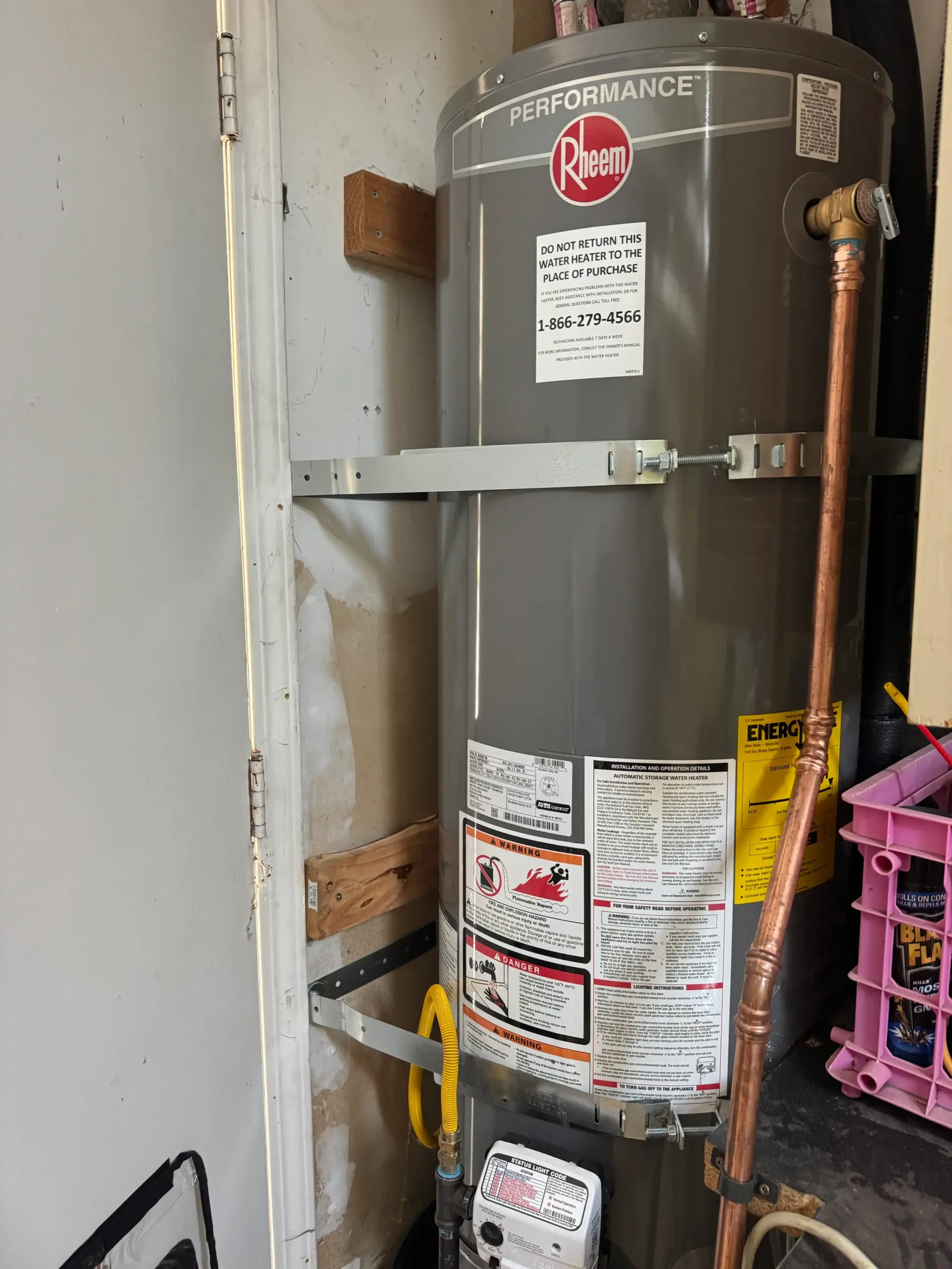
Gas Is the One Utility That Does Not Come From the City
Santa Clara is unusual. Your electricity, your water and your sewer all come from the city itself, which is why the utility bill looks nothing like the one your friends in Sunnyvale get. Natural gas is the exception. It comes from the regional provider, the same one the rest of the South Bay uses.
That split matters when something goes wrong, because the phone number is not the one you use for the other three. The meter and the line feeding it belong to the gas provider. Everything on the house side of that meter belongs to you, and that is the part we work on.
The permit and the inspection, meanwhile, come from the city building department like any other plumbing work. So a gas job in Santa Clara touches two different organizations, and knowing which one owns which piece is half of getting it done without delays.
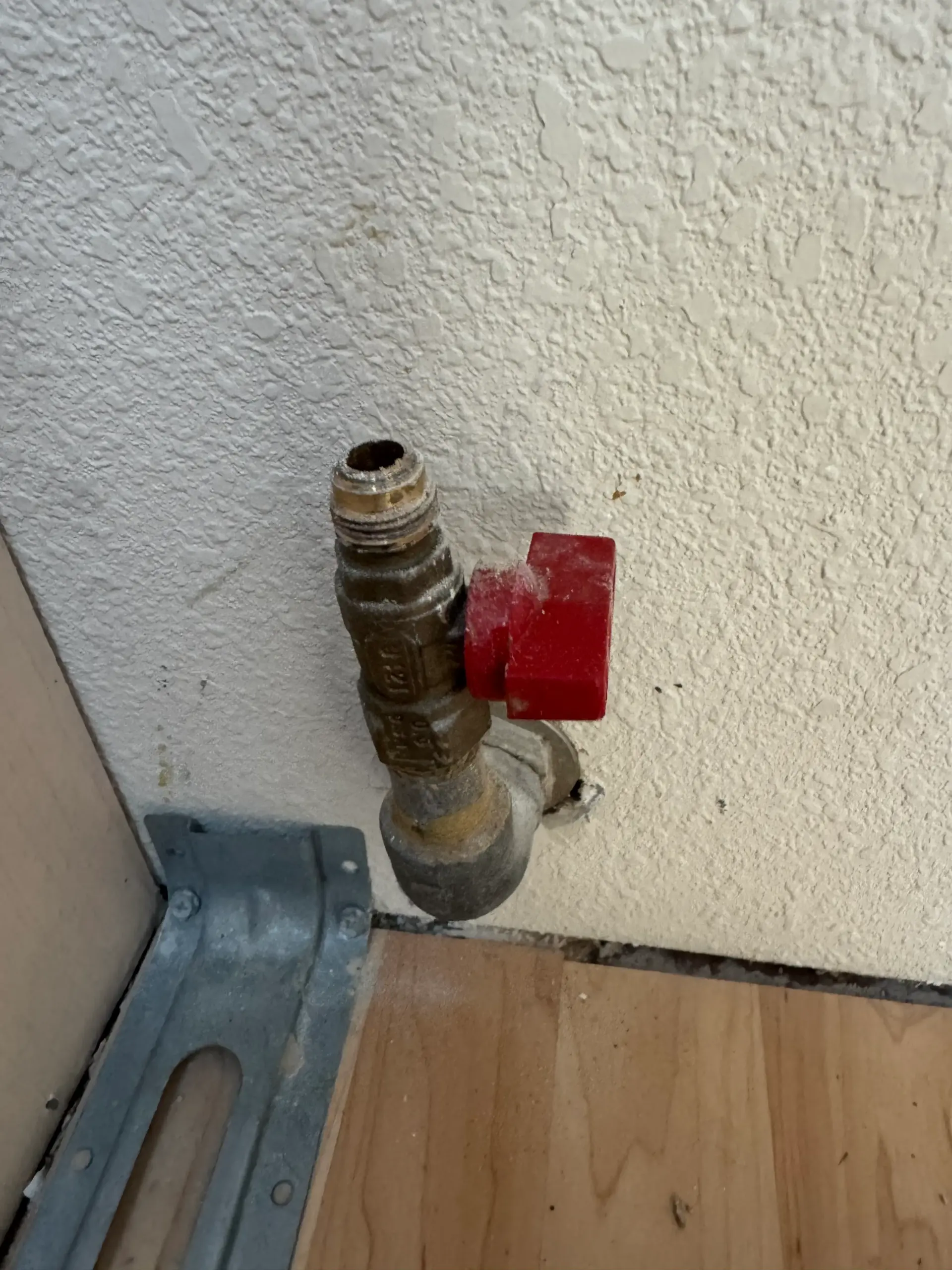
An Automatic Valve Closes the Gas When Nobody Is Home to Do It
A seismic shutoff valve sits on the house side of the gas meter and closes automatically when shaking passes a set threshold. The reason it exists is simple. After a serious quake, the danger to a house is often not the shaking. It is the gas still flowing into a line that cracked during it, and the person who would have gone outside and turned it off by hand is frequently not there.
New construction across much of this area already requires one, and insurers sometimes ask for one on an existing house. Plenty of houses here predate the requirement entirely, so the valve was never fitted and nobody has thought about it since.
Fitting one is a short job on an accessible meter. We size the valve to your line, install it to code, leak test afterward, and show you how to reset it if it ever trips.
Capping a Line You No Longer Need
Not every gas call adds a line. A good number of them remove one, because the house is moving an appliance over to electric and the old run has to be capped properly rather than left with a valve on the end and a hope.
This comes up most often with water heaters, where the house is switching to a heat pump unit and the gas line that fed the old tank has no further use. We handle both halves of that job, so the capping is not a separate visit from a separate company.
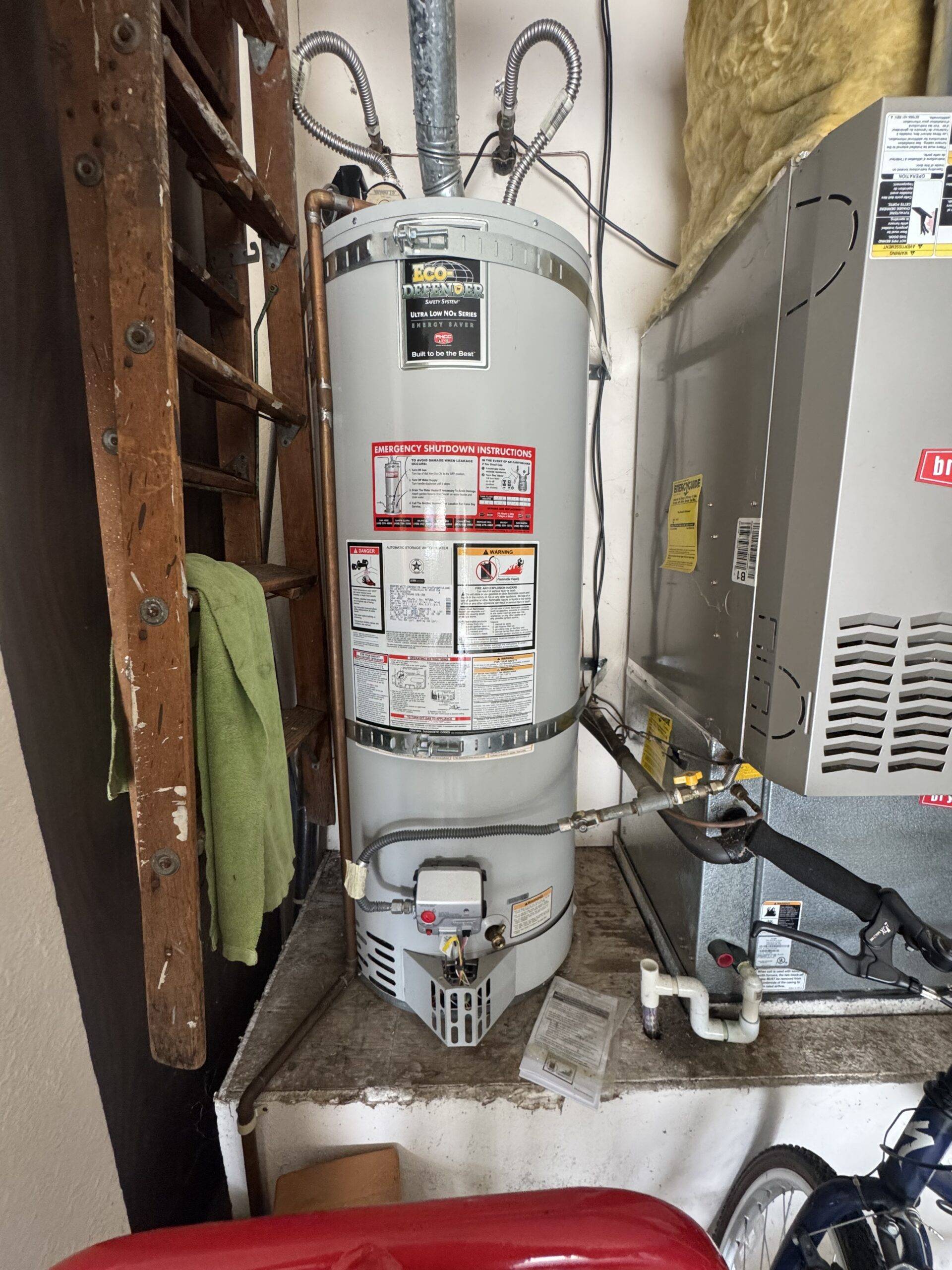
Leave the House, Then Call the Gas Utility
If there is a smell of gas in the house, leave it before doing anything else, and call the gas provider from outside rather than from inside. Do not switch lights on or off on the way out. That call is theirs, not ours, and it is free.
Once the provider has made the property safe and identified where the problem sits, if it is on the house side of the meter, that is the part we repair.
Gas Work We Did in Santa Clara
New runs, outdoor kitchens and valve work. Every job on a Santa Clara address.


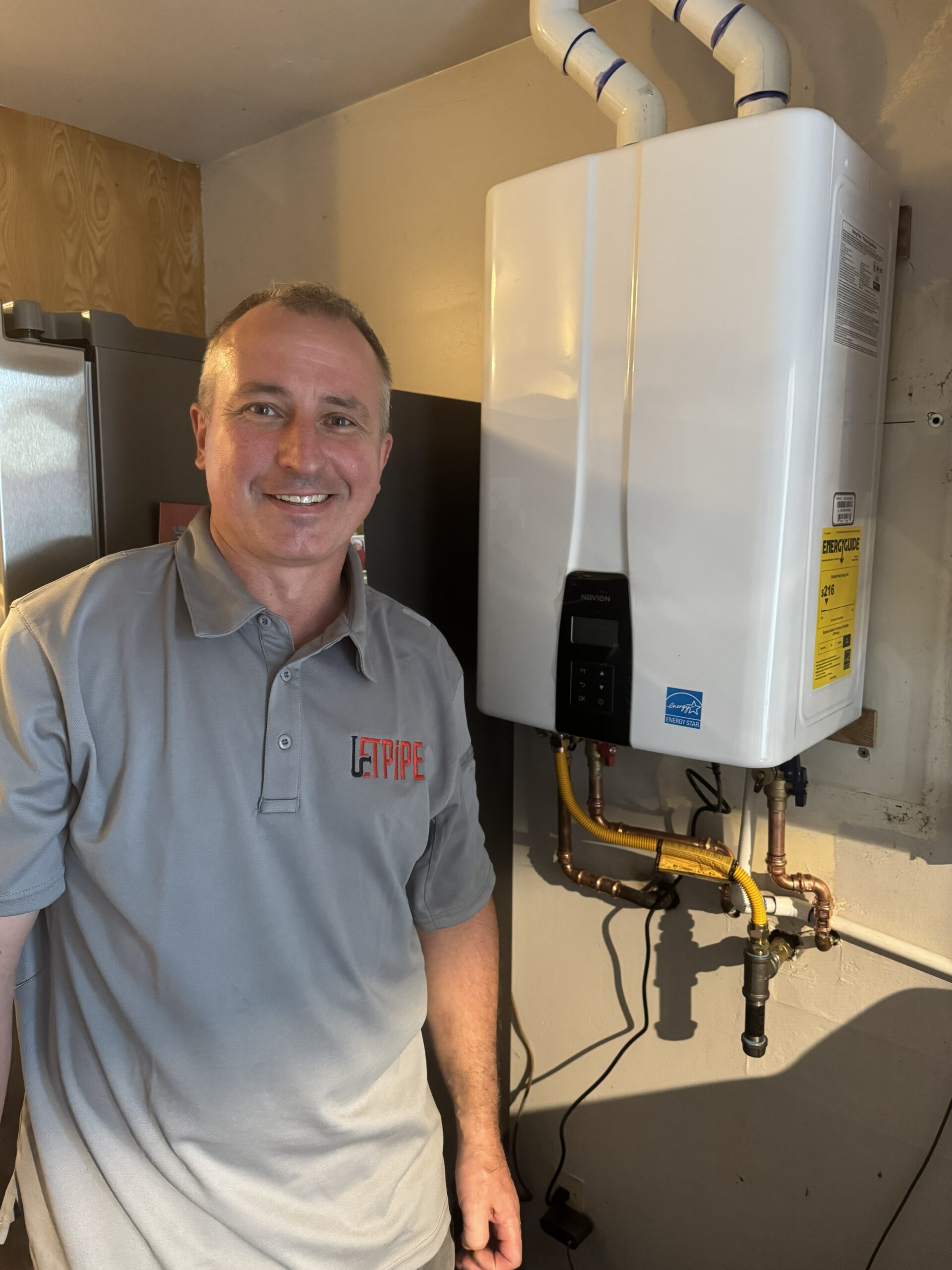

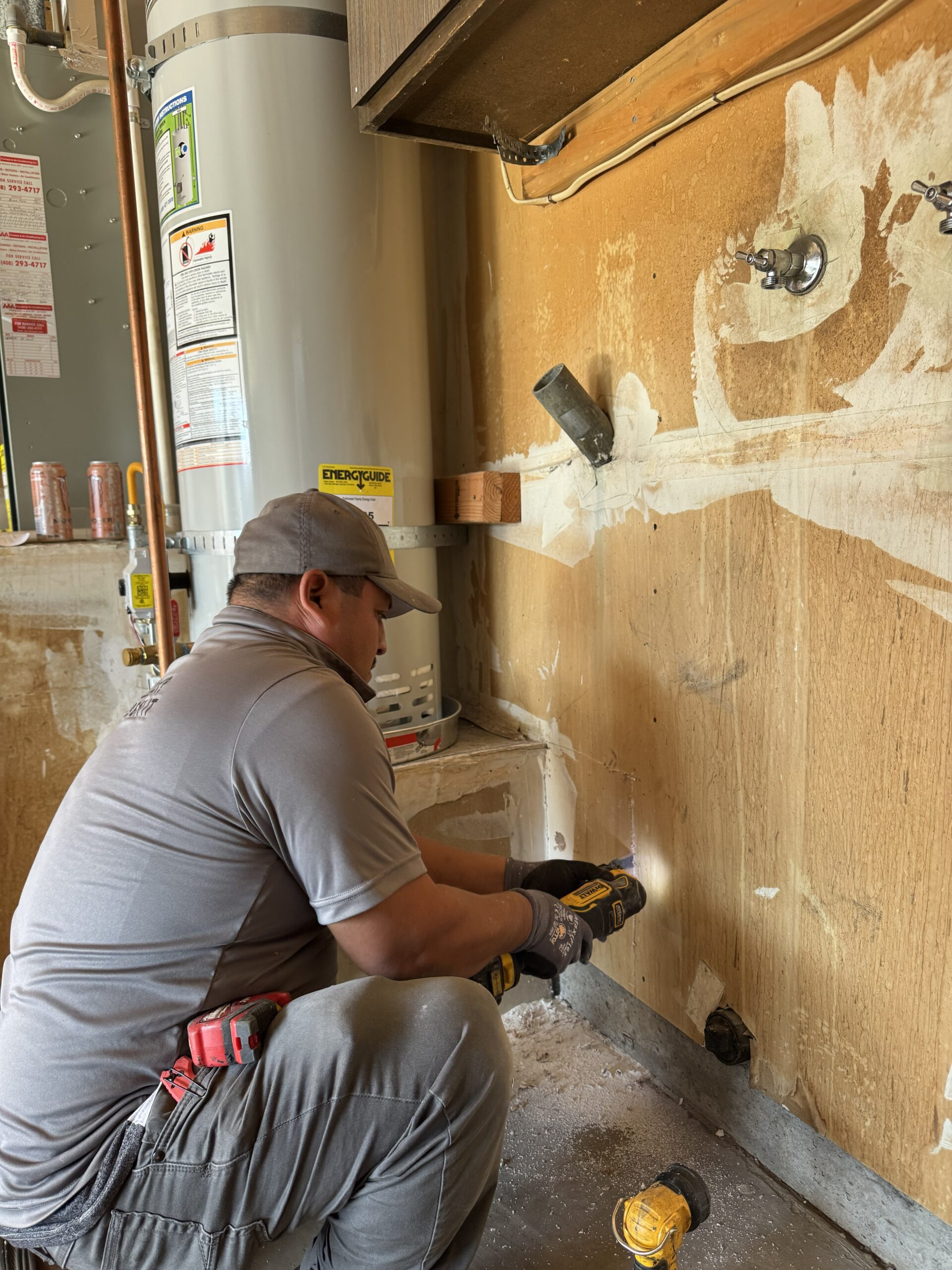
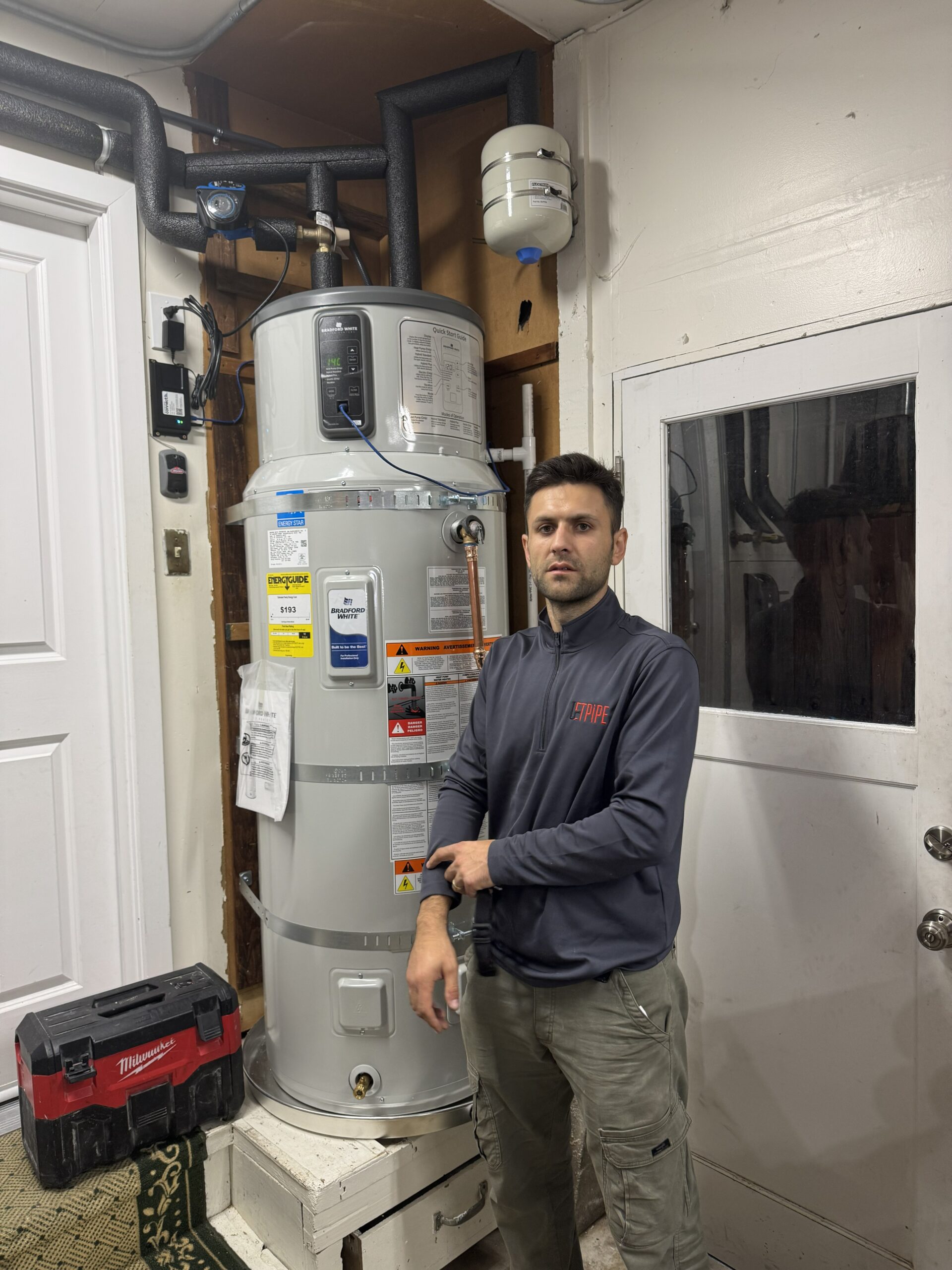


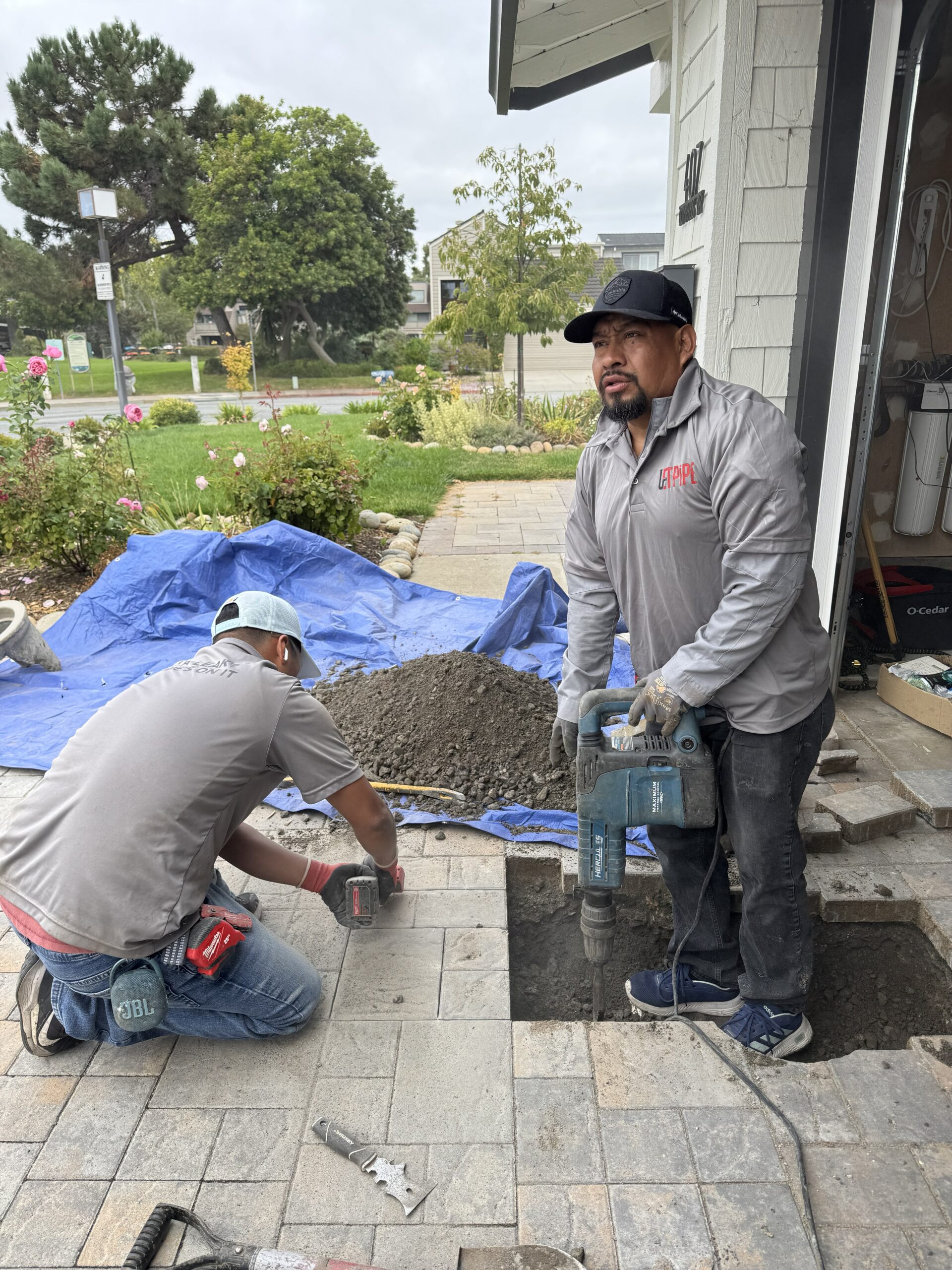


400+ reviews from South Bay homeowners
Gas Line Work Across Santa Clara
Our address is on Sapena Court, inside the city, so a Santa Clara job does not begin with a drive in from somewhere else.
Old Quad, Rivermark, Santa Clara Square, Forest Park, Killarney Farms, Agnew, Northside, Downtown, Lawrence Station area, Central Park
The map shows where we work most weeks, not a fence. We are based in Santa Clara and we regularly take jobs here. One call tells you whether we can reach you and when.
We cook on electric and want a gas range. How big a job is that?
It depends almost entirely on the route. A kitchen backing onto a wall the line already passes is straightforward. A kitchen on the far side of the house from the meter means a longer run, and cabinets and flooring decide how that run gets there. We walk it before quoting.
Can you run a line out to a barbecue or a fire pit?
Regularly. A permanent line is the end of carrying tanks around, and the cost of getting it there depends on the distance and what the line has to cross. If you are planning landscaping, running the gas first is far cheaper than running it after.
Is a seismic shutoff valve required, or just a good idea?
Both, depending on the house. New construction in this area generally requires one and insurers sometimes ask for one on an older property. Where it is not required, it is still the cheapest protection available against the thing that causes most of the damage after a quake.
Who is responsible for the gas line, the utility or me?
The meter and the line feeding it belong to the gas provider. From the meter into the house it is yours, which covers everything inside the walls and everything running out to an appliance in the yard. That is the side we work on.
How do you know a new line is sound before it is used?
Every line we install is pressure tested and held before it goes into service, and the city inspector sees it before it is closed up. Gas work is one place where nothing gets taken on trust, including our own.
Can my existing gas line handle another appliance?
Adding one more appliance is not only a question of reaching it. Every gas system has a capacity, and a new range or a pool heater hung off a line already close to its limit will starve whatever else is running at the same time. We calculate the load across the whole house before quoting, which sometimes means upsizing a section rather than only running the new branch.