
There is a patch of floor in the hallway that feels warm under bare feet. The water heater seems to run more than it used to. The last water bill was higher, and nobody in the house changed their habits.
Each of those is easy to explain away on its own. Together, in a house built on a concrete slab, they usually mean one thing: a water line under the floor is leaking.
Finding the leak is the simple part. The harder question is what to do next, because there are three very different ways to fix a slab leak, and the cheapest one today is not always the cheapest one over the next ten years.
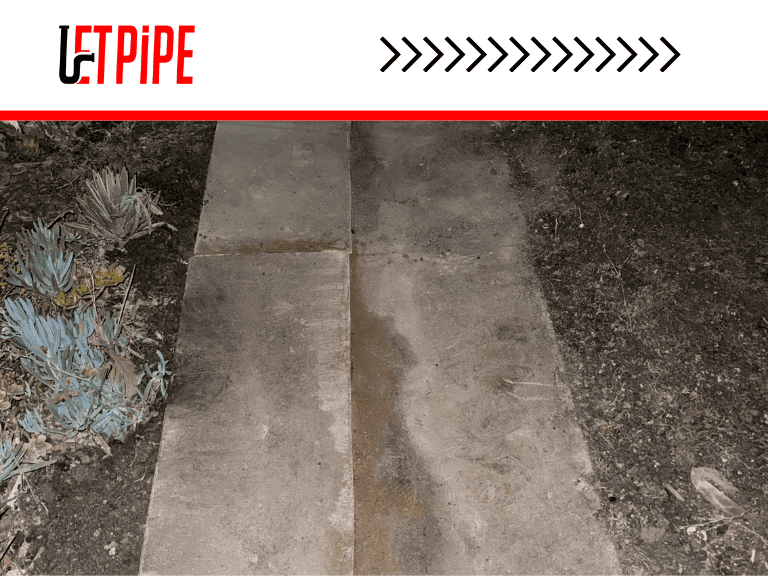
What a slab leak is
In a slab-on-grade home there is no crawl space. The water supply lines were laid in the ground first, then the concrete was poured over them. Those lines, usually soft copper, come up through the slab at each fixture.
A slab leak is a leak in one of those buried lines. You cannot see it, and the water has nowhere obvious to go. It spreads under the concrete, soaks into the soil, and eventually finds its way up through flooring or out at the edge of the foundation.
Why it happens so often here
Slab construction was the standard for a large share of postwar-era homes in Sunnyvale, Santa Clara, Cupertino, Mountain View, and Palo Alto. Many of those houses still have their original copper under the floor. Several things work against that pipe at the same time.
Soil. Much of the Santa Clara Valley sits on clay that swells when wet and shrinks when dry. Every wet winter and dry summer moves the ground a little, and the pipe moves with it.
Heat. Hot water lines expand and contract every time someone opens a tap. Where the copper touches concrete or gravel, that movement slowly wears through the pipe wall. This is why most slab leaks show up on the hot side.
Water chemistry. Local water is hard, and over decades it pits copper from the inside. A pinhole is often the first visible result.
Ground movement. Small earthquakes that never crack a wall still stress rigid pipe locked in concrete.
None of these act on one spot only. That matters when you choose a repair, and we will come back to it.
Signs of a leak under the slab
- A warm or hot area on the floor, especially tile or hardwood
- The sound of running water when every fixture is off
- A water bill that climbs with no change in use
- Damp carpet, lifting laminate, or cupping hardwood
- A water heater that runs almost constantly
- Lower pressure at several fixtures at once
- Moisture or mildew along baseboards
A ten-minute test at the water meter
You can confirm a leak before anyone comes out.
- Turn off every faucet, appliance, and irrigation valve.
- Find the water meter, usually in a box near the curb.
- Look at the small leak indicator on the dial. If it is turning, water is moving somewhere in the system.
- Now close the cold water valve on top of the water heater and check the meter again.
If the indicator stops, the leak is on the hot water side. If it keeps turning, it is on the cold side or on the line between the meter and the house. Either way, you now have something specific to tell the plumber.
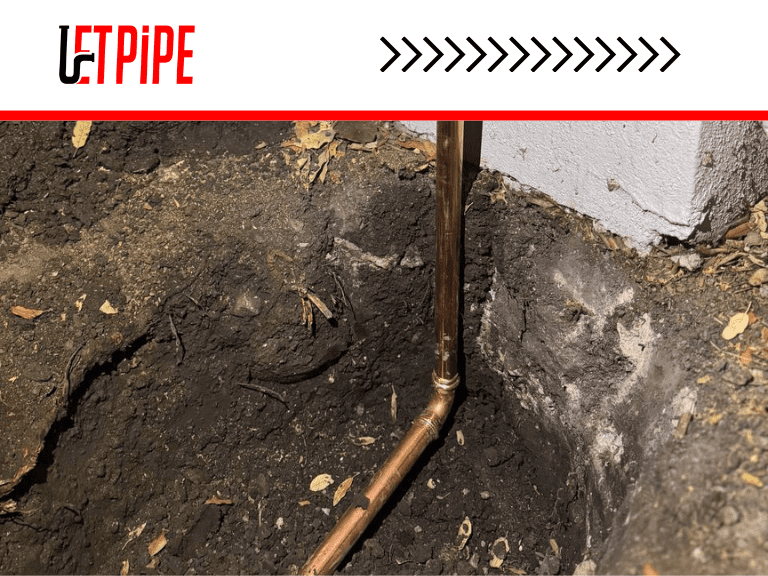
Option 1: Spot repair through the slab
The leak is located, the flooring is pulled up, and the concrete is opened directly above it. The damaged section of pipe is cut out and replaced, then the slab is patched and the floor goes back down.
Where it fits: a first leak in a younger house, in a spot that is easy to reach, such as a garage or a closet.
What to weigh:
- Flooring has to come up, and matching older tile or hardwood is rarely perfect.
- The new section is joined to pipe that is exactly as old as the piece that just failed.
- Everything else under the slab stays where it is, in the same soil, carrying the same water.
A spot repair fixes a leak. It does not change the condition of the system.
Option 2: Reroute the failed line
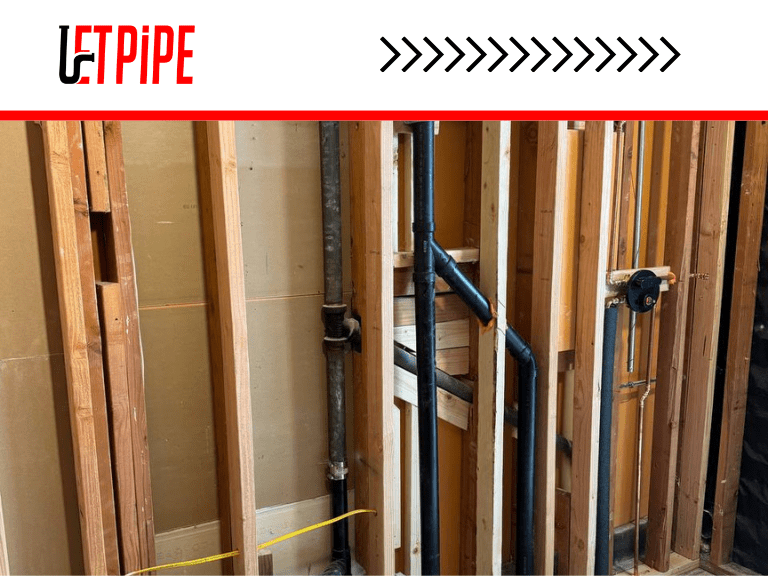
Instead of opening the floor, the leaking line is capped and abandoned in place. A new line is run through the walls or the attic to the same fixtures. Access is through small openings in drywall, which are patched afterward.
Where it fits: one bad line in a house where the rest of the piping is still in reasonable shape, or a leak under finished flooring you would rather not disturb.
What to weigh:
- No concrete is broken and no flooring is removed.
- The line that failed is permanently out of service.
- The other lines under the slab are still there.
In many mid-century modern homes around Sunnyvale and Palo Alto, the slab also holds radiant heating tubing. Breaking concrete in those houses carries its own risk, which is one more reason a reroute is often the safer choice than a spot repair.
Option 3: Whole-house repipe
Every water supply line under the slab is taken out of service. New copper is run overhead and inside the walls to each fixture, with new shutoff valves along the way. Nothing that carries pressurized water is left in the ground under the house.
Where it fits: a second or third leak, original piping in an older home, or any situation where you want the problem finished.
A whole-house repipe costs more than either of the other options. It is also the only one of the three that does not leave you waiting for the next leak.
How to choose between them
| Your situation | Usually the better option |
|---|---|
| First leak, younger home, easy access | Spot repair |
| First leak, finished floors or radiant heat in the slab | Reroute |
| Leak on a single line, rest of the piping tests well | Reroute |
| Second leak anywhere under the slab | Whole-house repipe |
| Original copper in an older home, with low pressure or discolored water | Whole-house repipe |
| Selling or remodeling in the next few years | Whole-house repipe |
The reasoning behind that table is simple. The soil, the water, and the age of the pipe are the same under every room. When one line wears through, the others have been through the same decades of the same conditions. A second leak is rarely bad luck. It is the system telling you where it is in its life.
There is also the math of repeat repairs. Each one brings its own leak location visit, its own flooring or drywall work, and its own water damage. Two or three of those can approach the cost of a repipe without leaving you with new pipe.
If you are not sure which side of the line your home is on, our article on low pressure and rusty water in older homes covers the other warning signs worth checking.
What about insurance?
Homeowners policies differ, so read yours or call your agent before you decide. As a general pattern, many policies cover sudden water damage to floors, walls, and belongings. Fewer cover the plumbing repair itself, and long-term seepage is often excluded. Ask specifically what is covered for access, for the damage, and for the pipe.
What a repipe looks like in a slab home
At JetPipe Plumbing, the process starts with a free on-site estimate. We look at the layout, the attic access, and the fixture count, then give you a written price before any work is scheduled.
A plumbing permit is required for this work. The installation itself usually takes one to three days depending on the size of the house, and water is back on each evening. After the new lines are in, a city inspector checks the work before any openings are closed. A second inspection follows once everything is patched.
We install copper on nearly every job. Our repipe warranty runs up to 25 years and transfers to a new owner when the plumbing is serviced by JetPipe. Financing is available.
If you want to know what living through the job is like, we wrote a full walkthrough of repiping a house while you stay in it.
When to call
Call the same day if the floor is hot, water is surfacing, or the meter is spinning fast. Shut off the main valve if water is reaching flooring or walls.
A slow leak gives you a little more time, but not much. Water under a slab washes out soil, feeds mold, and raises the bill every day it runs.
JetPipe Plumbing is a licensed plumbing contractor (C-36 #1139033) based in Sunnyvale, serving the South Bay and the Peninsula. We are open 7:00 AM to 10:00 PM every day. Call (650) 495-4570 or get a repipe quote online.
Frequently asked questions
How long can a slab leak go before it causes damage?
It already is. The visible damage, such as warped flooring or mildew, simply arrives later. A hot water leak also wastes gas or electricity the whole time it runs.
Can a slab leak be fixed without breaking the floor?
Yes, a slab leak can be fixed without breaking the floor. A reroute and a whole-house repipe both leave the slab untouched. The old line stays in the ground, disconnected, and new pipe runs through the walls or attic.
Is it safe to stay in the house during a repipe?
In most cases it is safe. Water is shut off during working hours and restored each evening.
Do the old pipes get removed from under the slab?
No, the old pipes are not removed. They are capped and abandoned in place. Removing them would mean breaking the concrete for no benefit.
Does a repipe include the line from the meter to the house?
It can. A full repipe covers the interior lines and the main water line. A partial repipe covers one or the other. The estimate will spell out which applies to your home.
Before anyone opens the floor
Find out which slab leak fix your home actually needs
A licensed JetPipe plumber locates the leak, checks the condition of the rest of your water lines and tells you plainly whether a spot repair, a reroute or a whole-house repipe makes sense. Call (650) 495-4570, seven days a week from 7:00 AM to 10:00 PM.